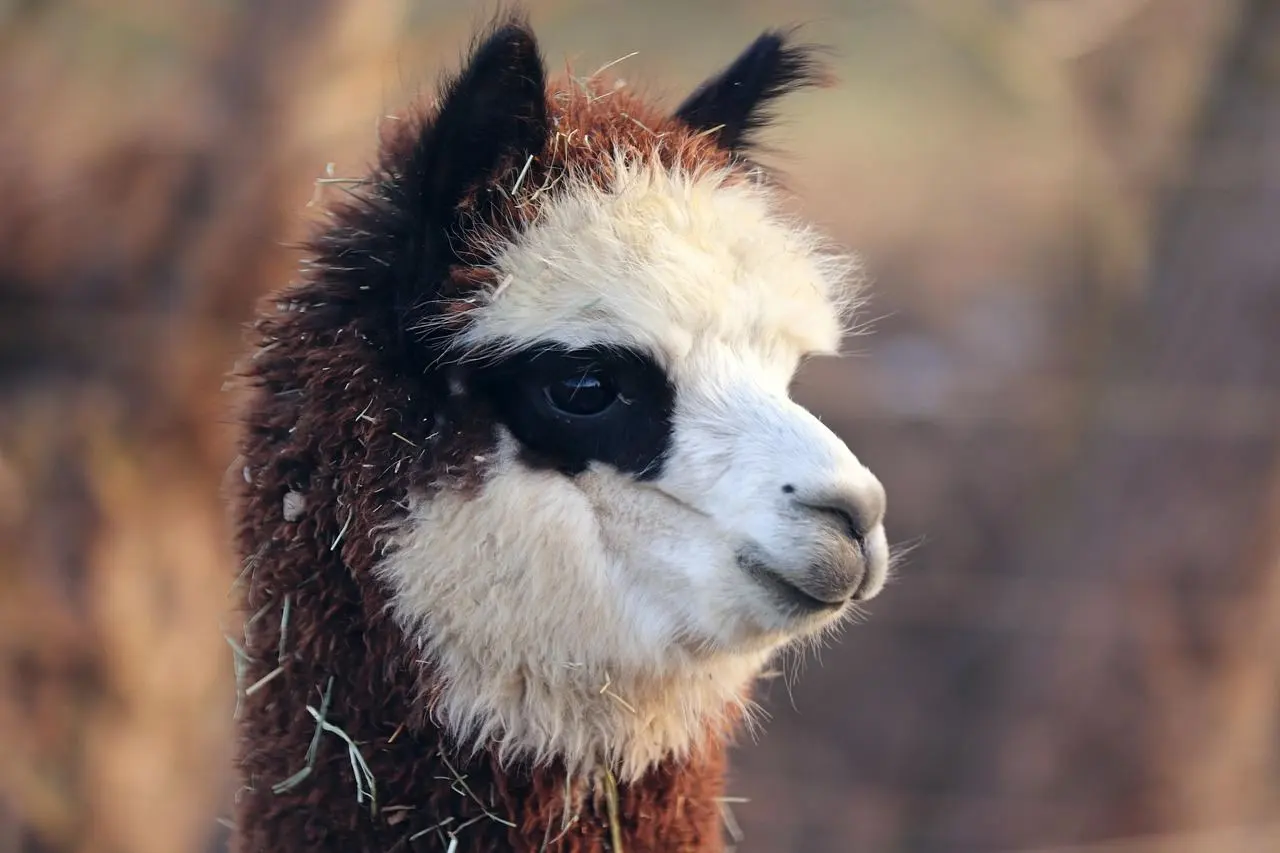
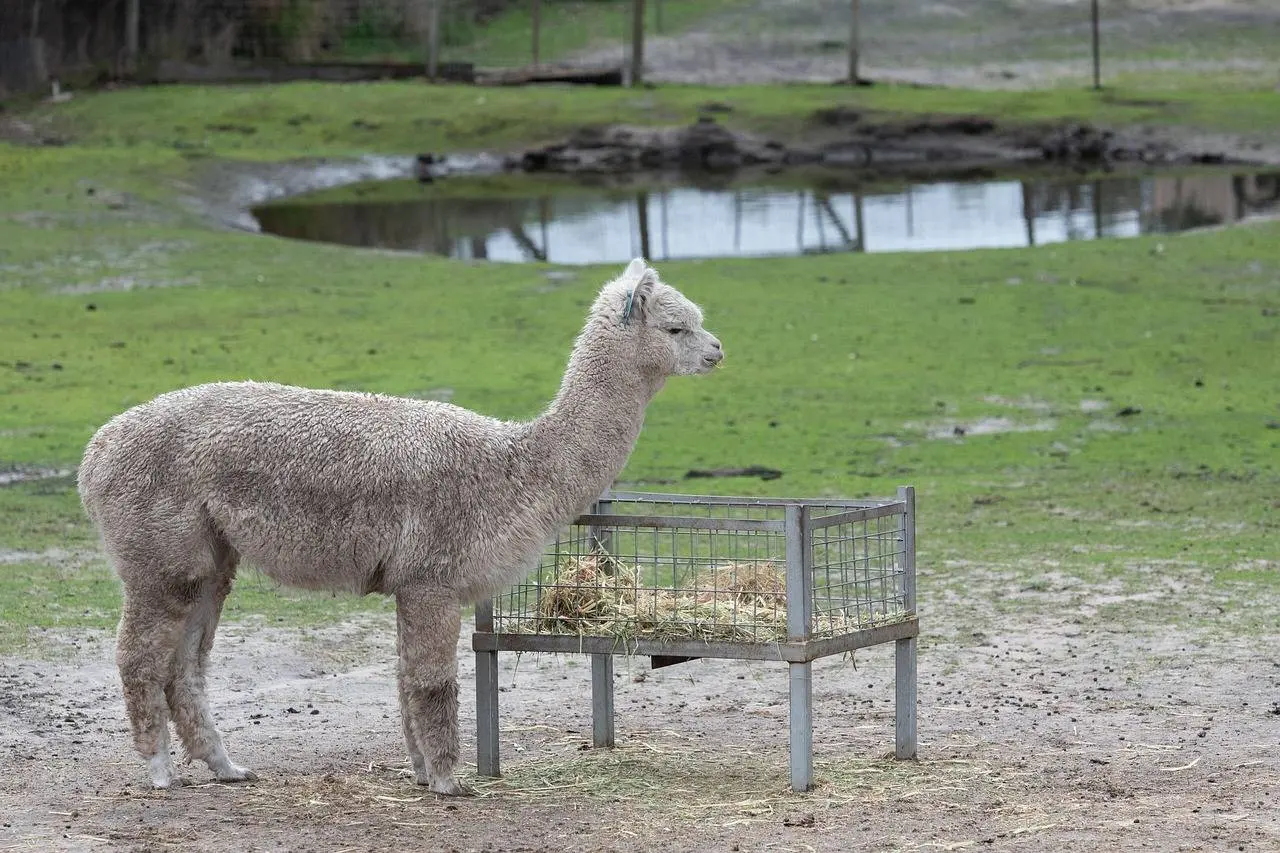
If you’re asking how often are alpacas sheared, the answer is once a year, in spring. Plan the shearing even when you don’t want the fleece, because it protects your animals from summer heat.
This page sits within the wider topic of alpaca fiber and covers the shearing side of it.
| Item | Value |
|---|---|
| Shearing frequency | Once a year (yearly) |
| Usual timing | Each spring |
| Main reason | Prevents heat stress in summer |
| Who should do it | An experienced alpaca shearer |
| Positioning | Stretched out on the floor or a low table, legs tied to wooden spacers |
These points come from the UC Small Acreage Landowners page on llamas and alpacas and the NSW Department of Education alpaca husbandry page. Guidance can change, so check both sources before you rely on them.
How often should an alpaca be shorn?
The University of California’s small acreage guidance says llamas and alpacas both must be shorn yearly. The NSW Department of Education’s husbandry page for alpacas adds that the routine shearing should happen each spring.
That schedule applies whether or not the animal is kept for its fleece. A pasture companion or a pet follows the same spring shearing routine as a fiber animal, because the aim is comfort and heat control as much as fiber.
Shearing is one item on a short list of yearly jobs. The same UC page names annual vaccinations, routine worming and toenail trimming alongside it.
Why does shearing matter for heat stress?
The NSW guidance explains that shearing prevents alpacas from becoming too hot and suffering heat stress during summer. A yearly spring shear is meant to get the animal into the hot months without a full fleece.
The UC page lists these signs of heat stress to watch for:
- Lethargy
- Uncoordinated or stiff movements
- Nasal flaring
- Open-mouth breathing and a faster breathing rate
- Drooling
- Loss of appetite
If you see these signs, the UC page advises hosing the animal down, moving it to a cool area and then calling your veterinarian. It also notes that camelids need shade in spring and summer, so shearing works best alongside good shelter.
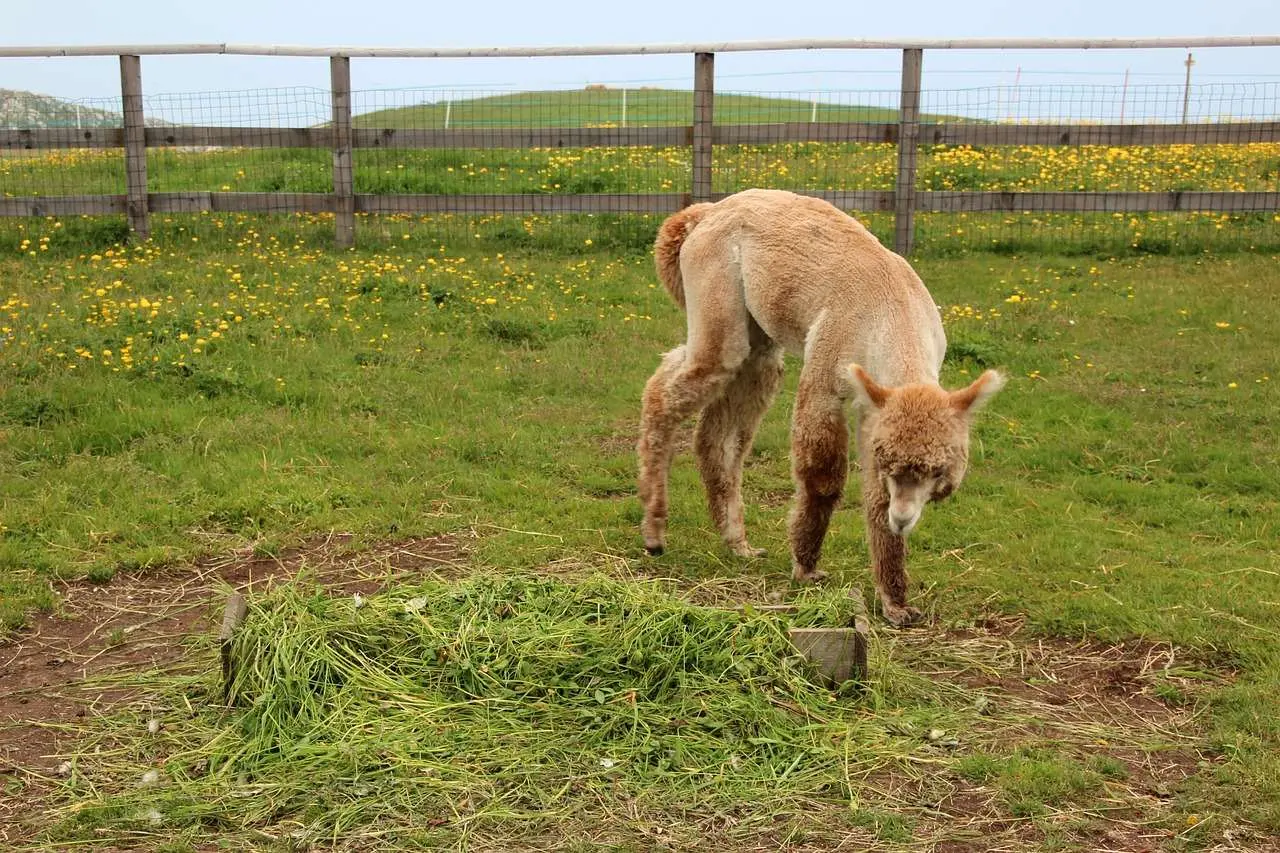
How is an alpaca shorn?
The NSW page describes a method that differs from the one used for sheep and goats. In outline, it runs like this:
- An experienced alpaca shearer is brought in to do the work.
- The alpaca is restrained by being stretched out on the floor or on a low table, with its legs tied to wooden spacers.
- A handler holds the animal’s head throughout.
- Once one side has been shorn, the animal is flipped over so the job can continue on the other side.
The same page stresses that appropriate facilities and equipment are essential for routine husbandry tasks, and shearing is on that list. This is why the guidance says an experienced person should always be employed rather than leaving it to trial and error.
How shearing alpacas differs from sheep and goats
The restraint method is the most visible difference. The NSW page calls it an alternative method to the one used for both sheep and goats, so sheep-shearing habits don’t carry straight over.
The fleece differs too. The UC page says alpacas are used more for their fiber because they have fewer guard hairs than llamas, which are used more as guard animals.
If you want the fiber side of the comparison, the page on alpaca wool vs sheep wool sets the two fleeces side by side. Once the fleece is off, alpaca fiber micron grades explain how its fineness is described.
What other routine care goes with shearing?
The NSW page groups shearing with other routine husbandry activities for alpacas. Its list reads:
- Internal parasite control
- External parasite control
- Vaccination
- Identification, such as microchipping or ear tagging
- Castration
- Hoof trimming
- Teeth trimming, by an experienced person only
- Shearing
On teeth, the NSW page says a veterinarian should be consulted before trimming an alpaca’s teeth. On vaccines, the UC page recommends working closely with your veterinarian on a program that suits your herd and area.
This page describes general practice only and is not veterinary advice. For any health concern, medication, dosing or emergency, talk to a veterinarian experienced with camelids.
Frequently asked questions
Do alpacas need shearing if I don’t want the fleece?
Show answer
Yes. The NSW Department of Education guidance treats the yearly spring shear as routine husbandry for any alpaca, not only those kept to produce fiber.
Can I shear my own alpaca?
Show answer
The guidance points toward hiring someone with experience instead of learning on your own animal. The restraint setup and equipment matter, so ask a camelid veterinarian or an experienced shearer if you are unsure.
What should I do if my alpaca looks too hot?
Show answer
Treat it as urgent. Cool the animal with water, move it somewhere cooler and phone your veterinarian, since heat stress needs professional advice.
Are llamas shorn on the same schedule as alpacas?
Show answer
Yes. The UC page puts both species on a yearly shearing schedule, so the main difference between them is how their fleece is used.