Wondering about alpaca wool vs sheep wool? Alpaca often feels less itchy and has almost no lanolin, while merino can be finer and easier to find. Here is how they compare.
This comparison sits within the wider topic of alpaca fiber, where both fleece types are covered in more depth.
| Item | Value |
|---|---|
| Alpaca fiber diameter | 15 to 36 microns, depending on grade |
| Finest merino fiber | As thin as 11.5 microns |
| People allergic to lanolin | One to two percent of the general population |
| Suri share of South American alpacas | Less than 10% |
| Alpaca shearing | Once a year, in spring |
These figures come from Outdoor Life’s merino versus alpaca comparison and Wikipedia’s alpaca fiber entry. They can change, so check the sources before you rely on them.
Where each fleece comes from
Sheep wool covers many breeds, so most comparisons use merino as the benchmark. According to Outdoor Life, merino comes from a group of breeds that originated in Spain in the Middle Ages. Modern merino wool primarily comes from sheep raised in Australia and New Zealand.
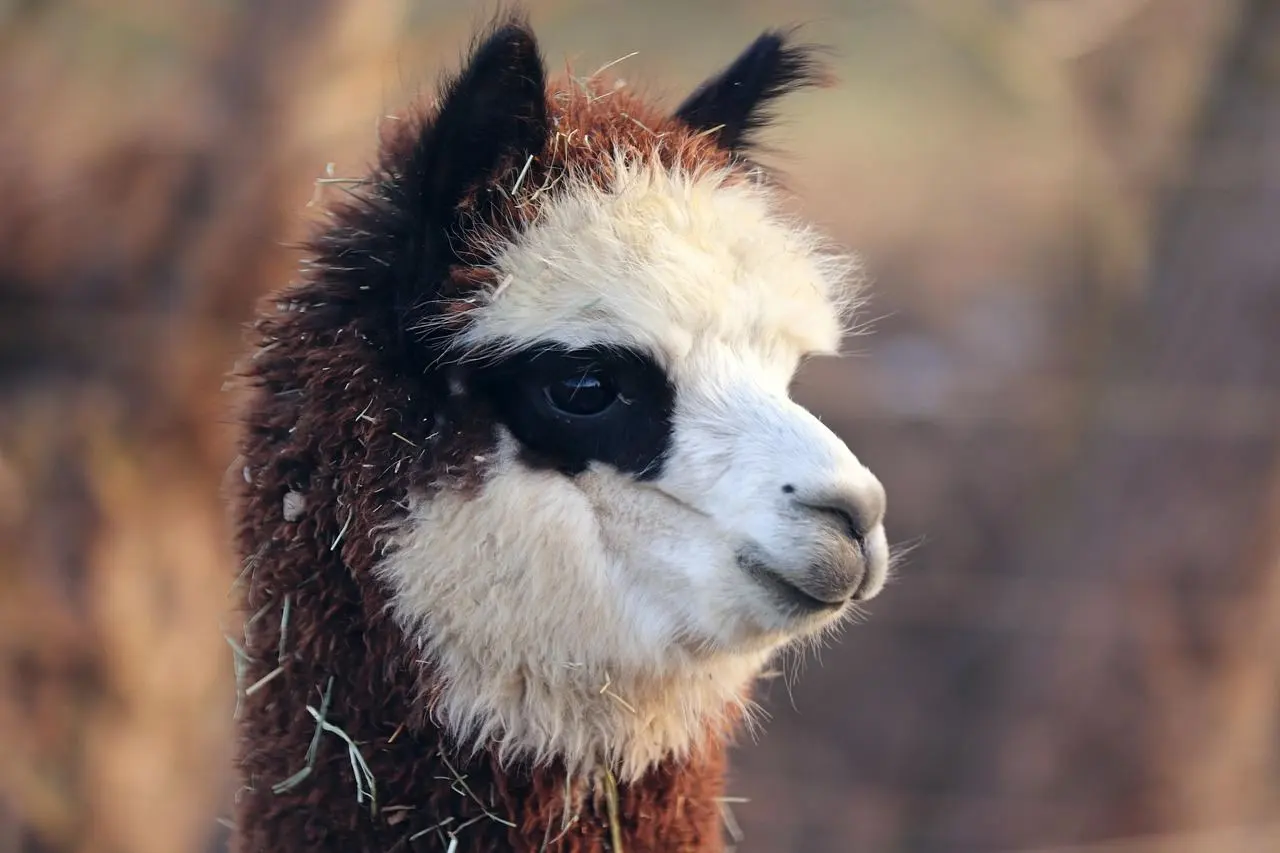
Alpaca fleece comes from a South American camelid, and Wikipedia notes that alpacas have been bred there for over 5,000 years. The fiber comes in two types: Huacaya, which is dense, soft and crimpy like sheep wool, and Suri, with silky pencil-like locks.
Suri is the rarer type. The same Wikipedia entry says it makes up less than 10% of the South American alpaca population, so most alpaca yarn on the market is Huacaya-style fiber.
Which feels softer: alpaca wool or sheep wool?
Softness starts with fiber diameter, measured in microns. Outdoor Life reports that alpaca fibers range from 15 to 36 microns depending on grade, while a merino hair can be as thin as 11.5 microns. Merino under 17.7 microns counts as fine, which is where most commercial merino falls.
On diameter alone, then, merino can win. The finest alpaca grade, Royal Alpaca, averages less than 19 microns according to Paka’s fiber guide, so the best alpaca closes much of the gap.
Diameter is not the whole story, because scale structure also shapes how a fiber feels. Alpaca hairs have flatter scales than merino, which makes them feel less itchy even against finer merino. In one study cited by Outdoor Life, alpaca wool felt five to 10 times smoother than merino wool.
Real garments blur the picture further. Few garments are made from 100 percent wool, and most modern wool clothing blends natural wool with synthetic fibers, which raises durability and cuts itchiness.
Warmth, crimp and durability
Both fibers keep you warm by trapping air. Outdoor Life describes merino as semi-hollow, and Paka credits alpaca’s warmth to a hollow core structure. Wikipedia adds that Huacaya fiber, while similar to sheep’s wool, is warmer and not prickly.
Crimp, the natural waviness of a fiber, is where they differ most:
- Merino typically has a higher degree of crimp, which helps it keep its loft and elasticity.
- Huacaya alpaca has natural crimp that makes an elastic yarn suited to knitting.
- Suri alpaca has no crimp, so it suits woven goods better.
Those points come from Paka and Wikipedia.
For wear and weather, Yanantin Alpaca argues that long alpaca fibers interlock well, leaving less room to pill, shed or break. Wikipedia also describes alpaca fiber as naturally water-repellent and fire resistant.
Lanolin, allergies and washing
Lanolin is a fat that sheep secrete from their sebaceous glands. Outdoor Life says only one to two percent of the general population is allergic to lanolin, though it may be slightly more common in people with skin conditions such as eczema.
Alpaca wool is considered hypoallergenic because it does not contain lanolin, and Wikipedia says it holds almost no wool grease. If you have a skin condition or react to fabrics, ask a doctor rather than relying on a fiber label.
Low lanolin does not mean no dirt. Yanantin Alpaca notes that the fiber can still collect a decent amount of dirt, so the guide on how to wash alpaca wool is worth reading before your first wash.
Shearing, yield and availability
Alpacas are shorn once a year, in spring according to Wikipedia. Yanantin Alpaca gives the South American season as November through March and says the fleece needs about a year to grow the ideal length and quality. A separate guide answers how often are alpacas sheared in more detail.
Yield varies by animal. Wikipedia reports that top stud males can reach annual shear weights of up to 7 kg of total fleece but only 3 kg of good quality fleece, because guard hair is often removed before spinning.
Supply is also different. Outdoor Life says most alpaca wool is imported from Peru, while Paka says merino can be farmed in many regions, which makes it more accessible for mass production.
On color, Yanantin Alpaca says alpaca already comes in 22 natural colors, so dyeing is not always necessary.
Choosing between them
The better fiber depends on what you need from it, and neither is a clear winner on every point. A rough guide, based on the sources above:
- Lean towards alpaca if itchiness or lanolin is your main worry.
- Lean towards merino if you want the finest possible fiber or wider availability.
- Check the blend on the label, since synthetics change how both fibers behave.
Frequently asked questions
Is alpaca wool warmer than sheep wool?
Show answer
Wikipedia’s entry says Huacaya fiber is warmer than sheep’s wool, but merino also insulates well. Fit, thickness and layering will often matter as much as the fiber itself.
Does alpaca wool itch?
Show answer
It is less likely to than comparable sheep wool, because its scales are smaller even within the same micron range. Softness is still relative, and the grade of the fiber makes a difference.
Is alpaca wool really hypoallergenic?
Show answer
The claim rests on alpaca having almost no lanolin, which is the fat people with a wool allergy usually react to. A reaction can have other causes, so see a doctor if skin problems persist.
Can alpaca fiber be spun like sheep wool?
Show answer
Yes, because preparing, carding, spinning, weaving and finishing alpaca is very similar to the process for wool. Huacaya can go through a woolen process, while both types can be worsted milled into light yarn.