Worried a wrong wash will shrink your favourite alpaca sweater? Here’s how to wash alpaca wool: hand wash it in cool water with a gentle wool detergent, press out the water, and dry it flat.
This page is part of the wider guide to alpaca fiber, and it focuses on looking after finished garments at home.
| Item | Value |
|---|---|
| Hand-wash water | Cool or lukewarm water |
| Longest soak | Up to 30 minutes |
| Presoak for tough stains | No longer than 10-15 minutes |
| Alpaca-blend socks in a machine | 30 degree cycle |
| Drying | Flat on a towel, out of direct sunlight |
These figures come from the care guides of a fair-trade retailer and a laundry-products brand. Care advice varies between makers and can change, so check the sources and your garment’s label before you rely on them.
How often does alpaca need washing?
Less often than most of your wardrobe. One outdoor-clothing brand says that because the fibres are odor-proof and antimicrobial, they need fewer wash cycles than most other clothing.
A knitwear label gives a simple rule of thumb: launder only when necessary, or at the end of each winter season. Airing a sweater between wears is usually enough for everyday use.
Alpaca is also lanolin-free, unlike sheep’s wool, according to The Laundress. For a wider look at how the two fibres differ, read the guide on alpaca wool vs sheep wool.
Before you wash: label, detergent and stains
Start with the care label, because blends behave differently from pure alpaca. One brand that blends baby alpaca with merino and polyamide recommends gentle dry cleaning only for its garments.
If the label allows washing at home, gather these before you begin:
- A basin or clean sink, plus cool water.
- A mild detergent, a wool wash or baby shampoo, as one retailer suggests.
- Clean, dry towels for pressing out water and drying.
- A mesh bag, if you plan to use a machine.
Skip enzyme-based detergents: The Laundress warns that they degrade the yarns.
For a tough stain, presoak in cool water for no longer than 10-15 minutes before washing. Too much time in water can harm alpaca’s soft finish.
Hand washing alpaca step by step
Hand washing is the safest method, says The Laundress, because you control how much the delicate fibres are moved. Alpaca reacts to heat and agitation, and it can shrink if handled roughly.
- Fill a basin with cool water and stir in a small amount of gentle wool wash.
- Submerge the garment and move the water softly with your hands so the detergent spreads evenly.
- Leave it to soak for up to 30 minutes at most.
- Rinse by running cool water through the item until no soap remains.
- Press the water out with your palms. Do not twist or wring.
- Roll the garment in a dry towel, like a sleeping bag, to take up the rest of the moisture.
The retailer’s guide agrees on the basics: cool or lukewarm water, a mild detergent, and gentle pressing rather than squeezing hard.
Can you machine wash alpaca?
Sometimes. The Laundress says larger pieces can go in the machine case by case, but the settings matter.
- Avoid machines with a central agitator, which can snag the knit.
- Turn the garment inside out and put it in a mesh bag.
- Choose the woolens or delicate cycle, with cold water and a low spin.
- Take it out promptly to reduce creasing.
Socks are the easy case. A retailer says its alpaca-blend socks can be machine washed on a 30 degree cycle because the blend adds durability.
Heat is the main risk. According to Paka’s care guide, alpaca has a natural tendency to shrink in hot water, so cold is the safer choice.
Drying and storing alpaca
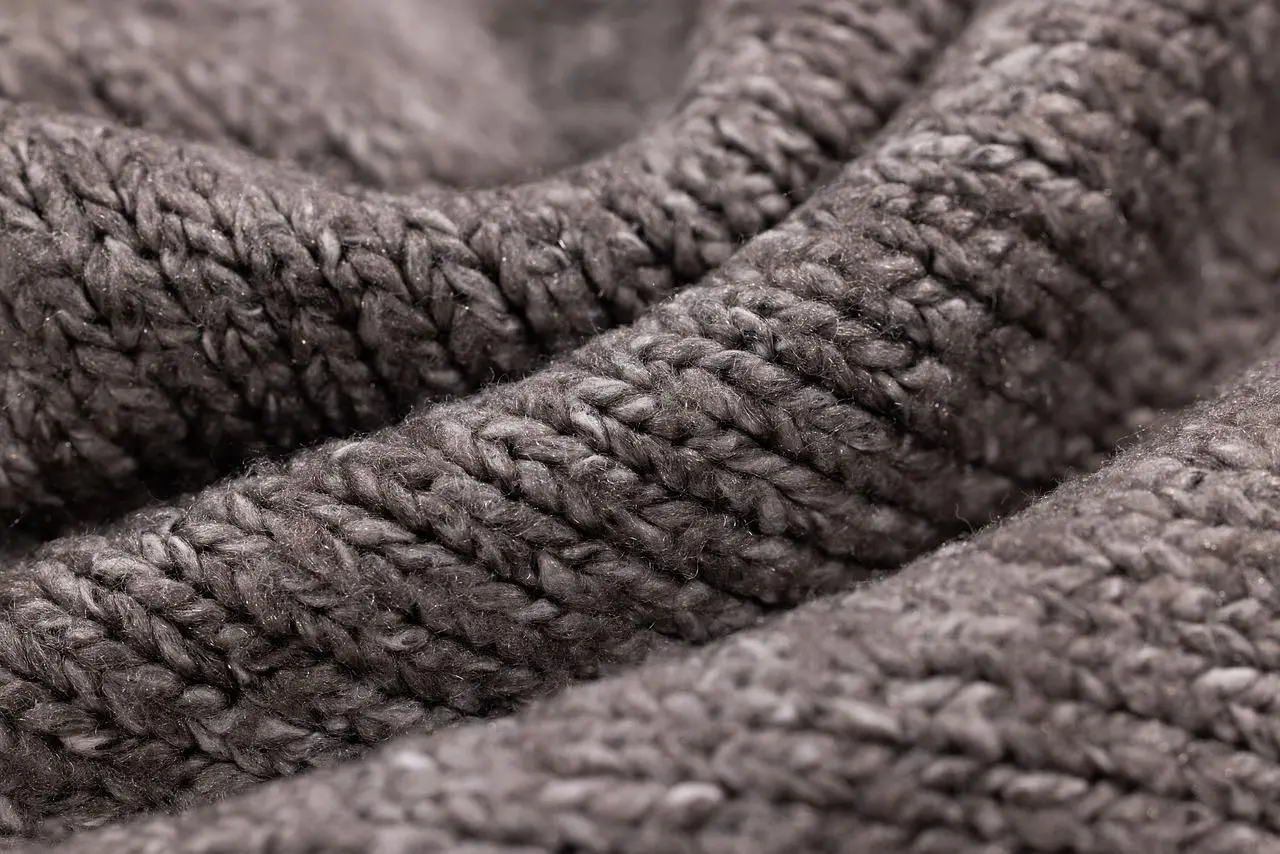
Drying is where most knitwear goes wrong. Gravity and heat do the damage, so the goal is flat, cool and shaded.
Reshape the garment to its natural outline, then lay it on a drying rack or clean towel. If you can, dry it in open air, but not in direct sunlight.
Keep these out of the routine:
- Pegging a wet sweater on a line, which can stretch it.
- Radiators and other heat sources, which can yellow, shrink or damage the knit.
- Hanging a wet woollen over a chair or rail.
Once dry, fold or roll the piece gently and keep it in a cool, dry place, ideally in a breathable bag. A knitwear label also suggests moth or cedar balls to guard natural fibres from moth damage.
The wider story of what happens to the fibre before it becomes a sweater is covered in how alpaca fleece is processed.
Stains, pilling and shedding
Act fast on a spill. Paka’s stain advice boils down to a few moves:
- Blot up as much as you can with a clean cloth, and avoid rubbing.
- Dab with a little mild detergent or baby shampoo mixed into cool water.
- Rinse the spot gently with cool water.
- Lay the garment flat on a clean towel to dry.
If the mark stays, a professional cleaner with experience of natural fibres is the next step, per the same guide.
Fuzz is normal on natural fibres. One label says pilling occurs with wear on all natural wools and hairs and suggests de-pilling with a comb or fabric shaver once every 3 wears. It adds that light shedding settles over time, and that a soft brush should be used sparingly because over-brushing can damage the garment.
Frequently asked questions
Can alpaca go in the tumble dryer?
Show answer
No. The dryer’s heat is a known cause of shrinkage, according to a fair-trade retailer’s care guide, so air-drying flat is the better habit.
Should I add fabric conditioner?
Show answer
It is best left out. The same retailer asks customers not to use fabric conditioner on alpaca products.
Can I wash alpaca fur?
Show answer
Fur items need different handling from knitwear. One retailer says fur should be dry-cleaned only by a specialist.
Is it fine to hang alpaca on a hanger?
Show answer
For knitwear, folding wins, because a coat hanger can stretch the fabric. A knitwear label makes an exception for structured pieces such as coats, which it stores hanging on a coat-specific hanger.