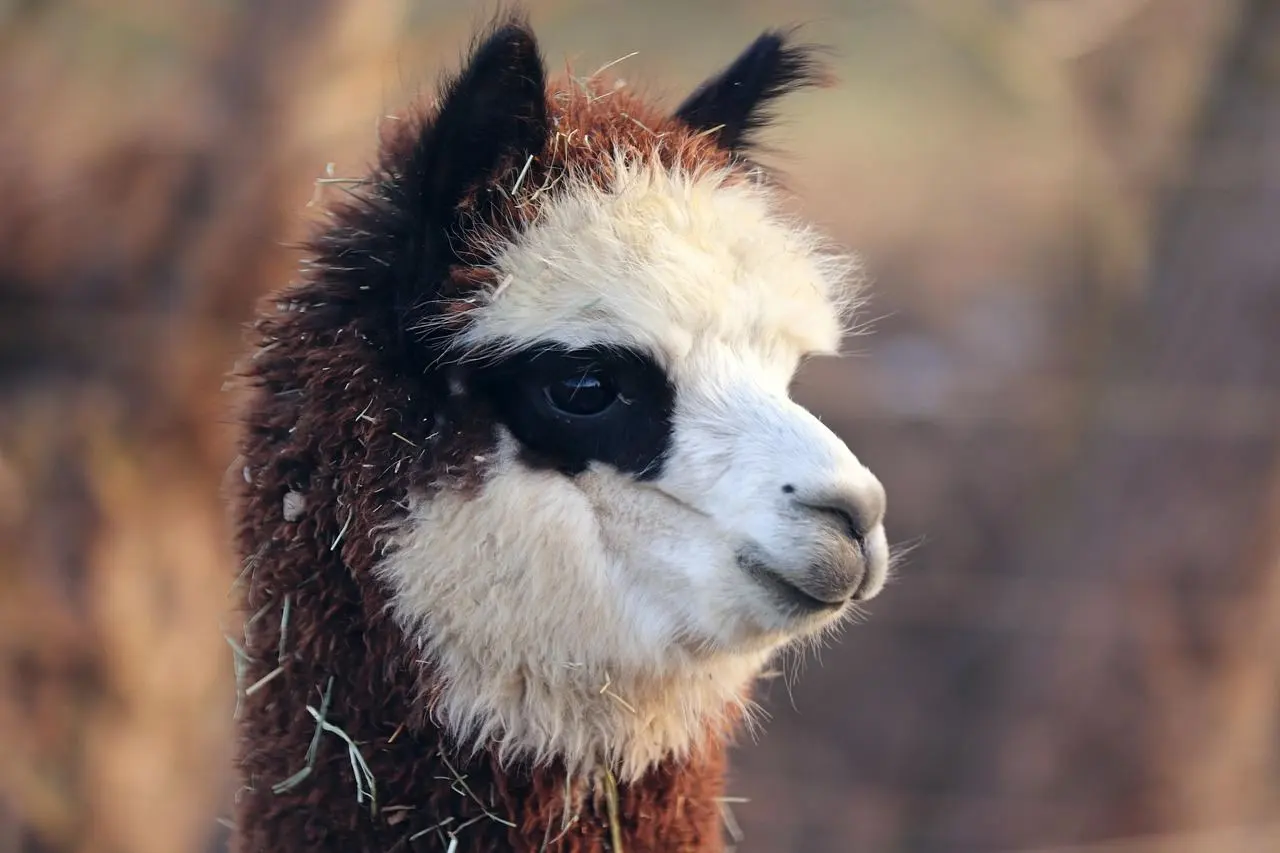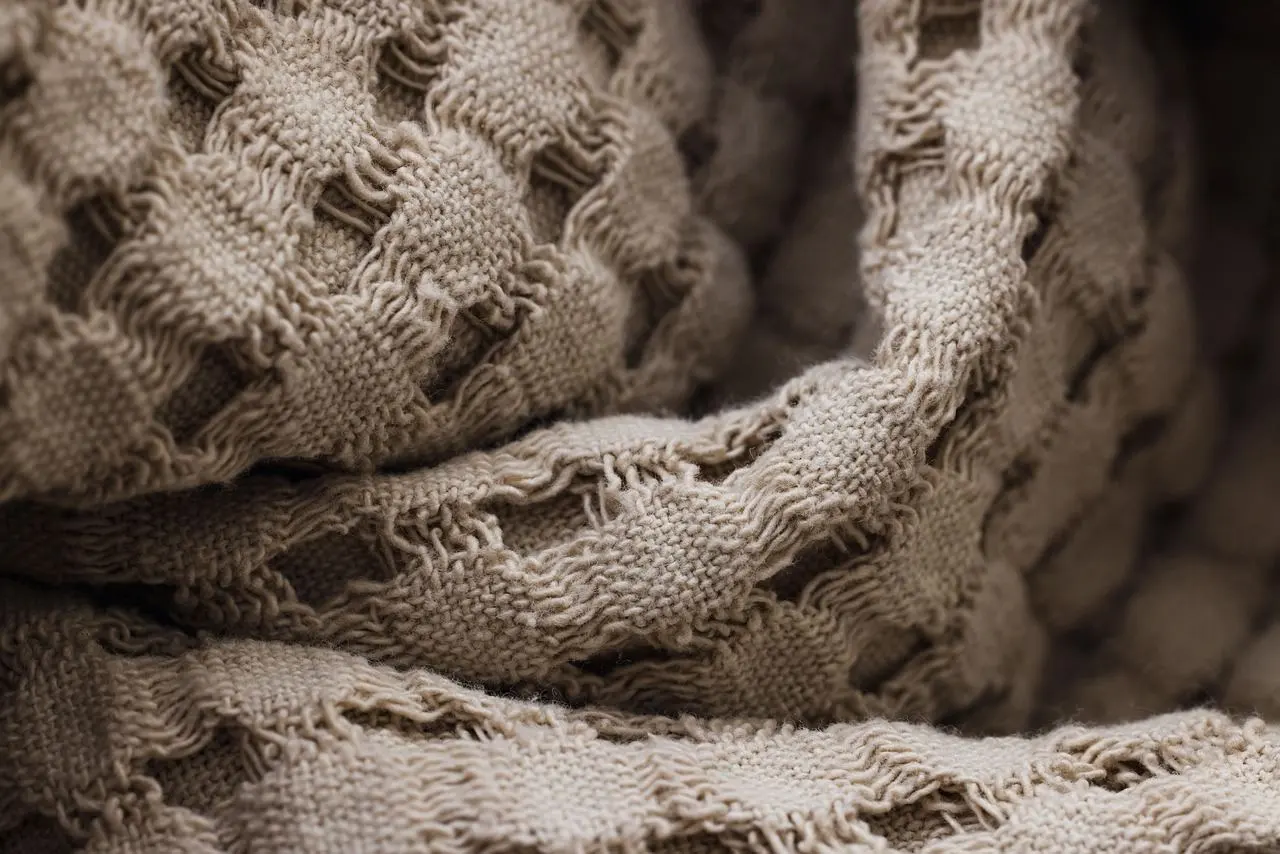
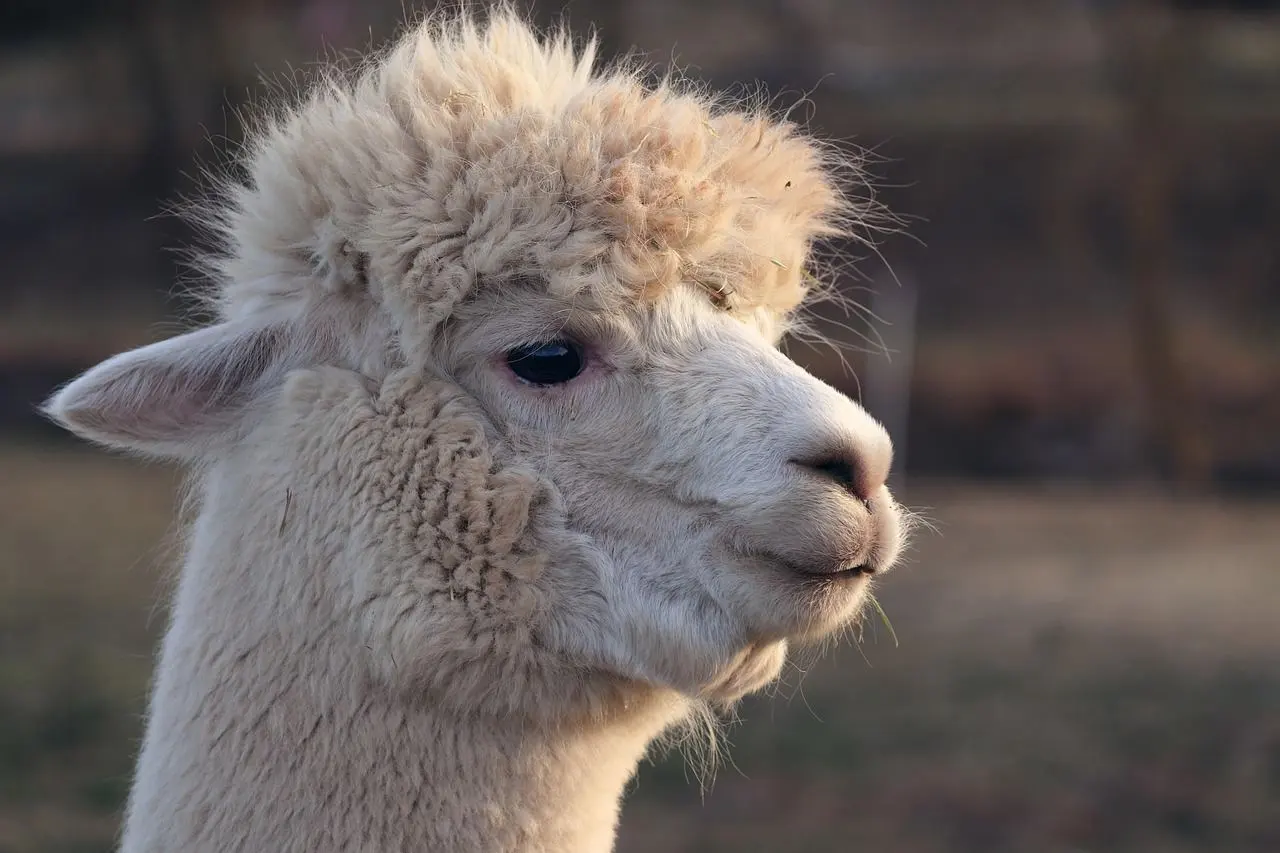
Trying to make sense of the shades you see in alpaca photos or yarn? Alpaca fleece colors run naturally from white through fawn, gray and brown to black, with every shade in between.
This guide is part of our wider coverage of alpaca fiber, where color sits alongside fineness, length and handle.
| Item | Value |
|---|---|
| Natural colors recorded in llamas and alpacas | More than 22 natural colors |
| Range of the palette | Black and brown through gray and fawn to white |
| Why the industry favored white | It can be dyed without bleaching |
| Place of color among fiber value traits | Listed after mean diameter, length and uniformity |
| Wool-trade color preference (general wool glossary) | Bright white to cream is most desirable |
The figures come from a genetics review in Animal Frontiers and the Colorado State University Extension glossary of wool and fiber terms. Research and trade practice can change, so check the sources before you rely on them.
What natural colors can an alpaca have?
Alpacas and llamas share a very wide palette. A review in Animal Frontiers counts more than 22 natural colors, ranging from black and brown through gray and fawn to white, including all intermediate shades.
In practice, the review groups that range like this:
- Black and brown at the dark end
- Gray and fawn in the middle of the range
- White at the light end
- Every intermediate shade between them
Llamas show more color variation than alpacas, and tricolor animals and white spots turn up in them, according to the same review. Mixed colors and patterns normally occur within one llama herd, while alpaca herds tend to be more homogeneous. The authors link that difference to how each species was selected during domestication.
Why white fleece has been favored
White has traditionally been the industry’s preferred color because it can be dyed without bleaching, as the Animal Frontiers review explains. A pale base takes dye cleanly, which is a practical reason for mills to ask for it.
That demand had a cost. The review reports that pressure in favor of white alpacas led to a significant decrease in colored animals, especially in Peru, with subsequent losses in genetic diversity (source).
The trend has begun to move the other way. According to the review, textile demand for natural colors has increased alongside the worldwide shift toward eco-friendly products.
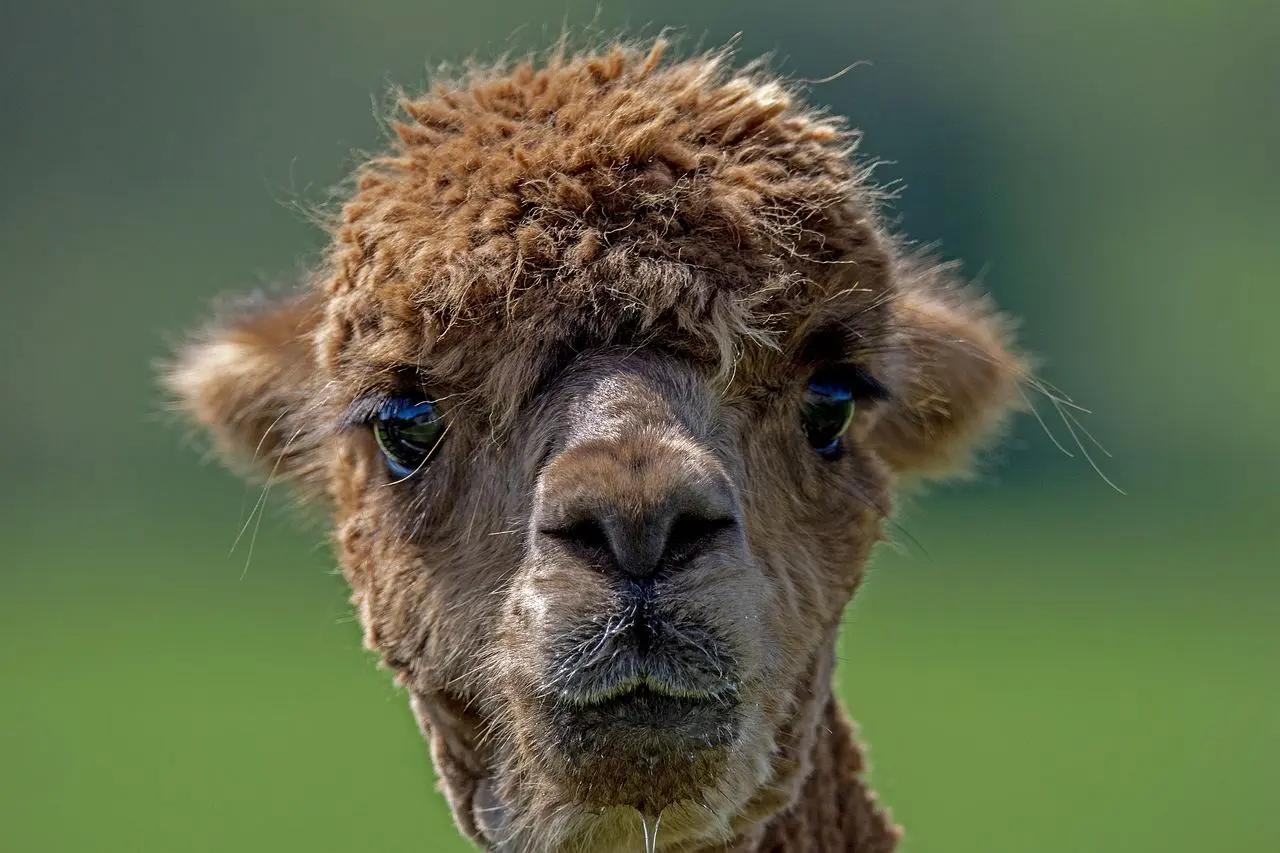
Why alpaca color is hard to predict
Color inheritance in South American camelids is complex and frequently leads to unexpected results for breeders. Two white animals may produce a black offspring, and two black parents can have a white descendant, the review notes.
Geneticists class color as a qualitative trait, along with fleece type. Such traits are under the control of one or several genes and show little or no environmental influence, whereas quantitative traits such as fineness are shaped by many genes and by the environment (source).
Research is moving toward practical tools. The review says mutations behind some simple genetic traits have been identified, which makes molecular testing possible to assist breeding decisions (source).
How color fits with fiber value
Several traits determine what a fleece is worth. The review names fiber mean diameter as the most important, followed by fiber length, fiber uniformity and color.
Color is therefore a separate trait from fineness. You can see how fineness is measured and graded in our guide to alpaca fiber micron grades, and how age-based labels are used in our explainer on baby alpaca wool meaning.
The worth of a given shade also depends on the goal. Animals with a nonuniform coat are of lesser value for fiber production but are more in demand as pets or for exhibitions, according to the same source.
Color classes and the words used to describe them
The sources behind this guide do not set out one universal list of color classes, so none is invented here. If a registry, show or mill gives you a class list, use that body’s own definitions.
What the sources do offer is vocabulary. The Colorado State University Extension glossary says that in the general wool trade, color refers to the actual color of the wool, and that a bright white to a cream is most desirable. That entry comes from the general wool section, not the alpaca one.
The same glossary’s alpaca section defines two terms that affect how a shade looks:
- Brightness: the property by which fiber reflects light.
- Luster: the sheen, gloss or shine of the fleece and fiber, due to the reflection of light off the smooth scales of each fiber (glossary).
Two fleeces of the same named shade can therefore look different on the skein or in the hand.
Frequently asked questions
How many natural alpaca colors are there?
Show answer
The Animal Frontiers review gives a floor rather than an exact tally, saying llamas and alpacas have more than 22 natural colors. Where one shade ends and the next begins is a matter of how people group them.
Is white alpaca fleece better than colored fleece?
Show answer
Not by default. The same review says the value of a color depends on the production goal, even though white has long been the industry favorite for dyeing.
Can two white alpacas have a dark baby?
Show answer
Yes, it can happen. Researchers writing in Animal Frontiers say pairing two white animals may yield black offspring, which is why parent color alone is an unreliable guide.
Does a fleece’s color tell you how fine it is?
Show answer
No. Color and fineness are listed as separate traits in the review, and they are inherited and influenced in different ways.