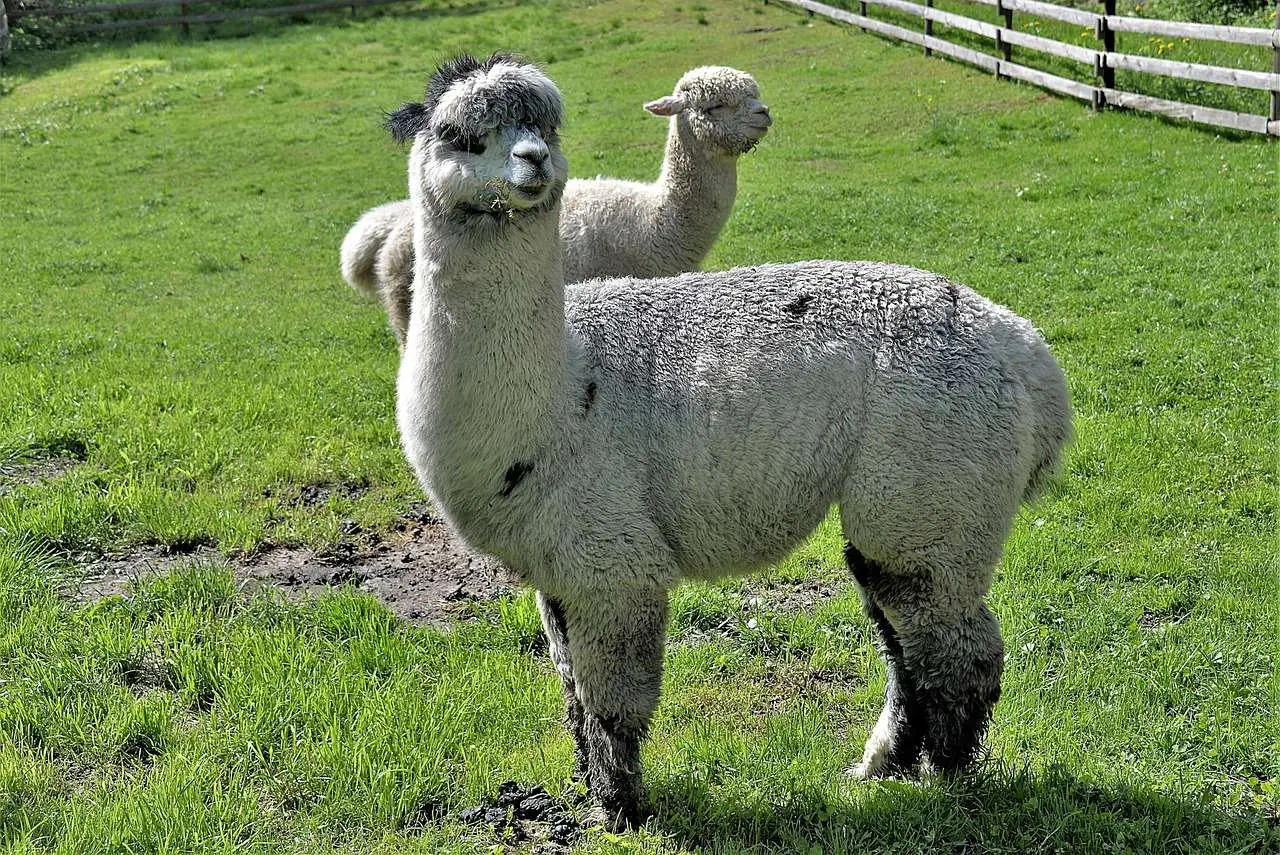
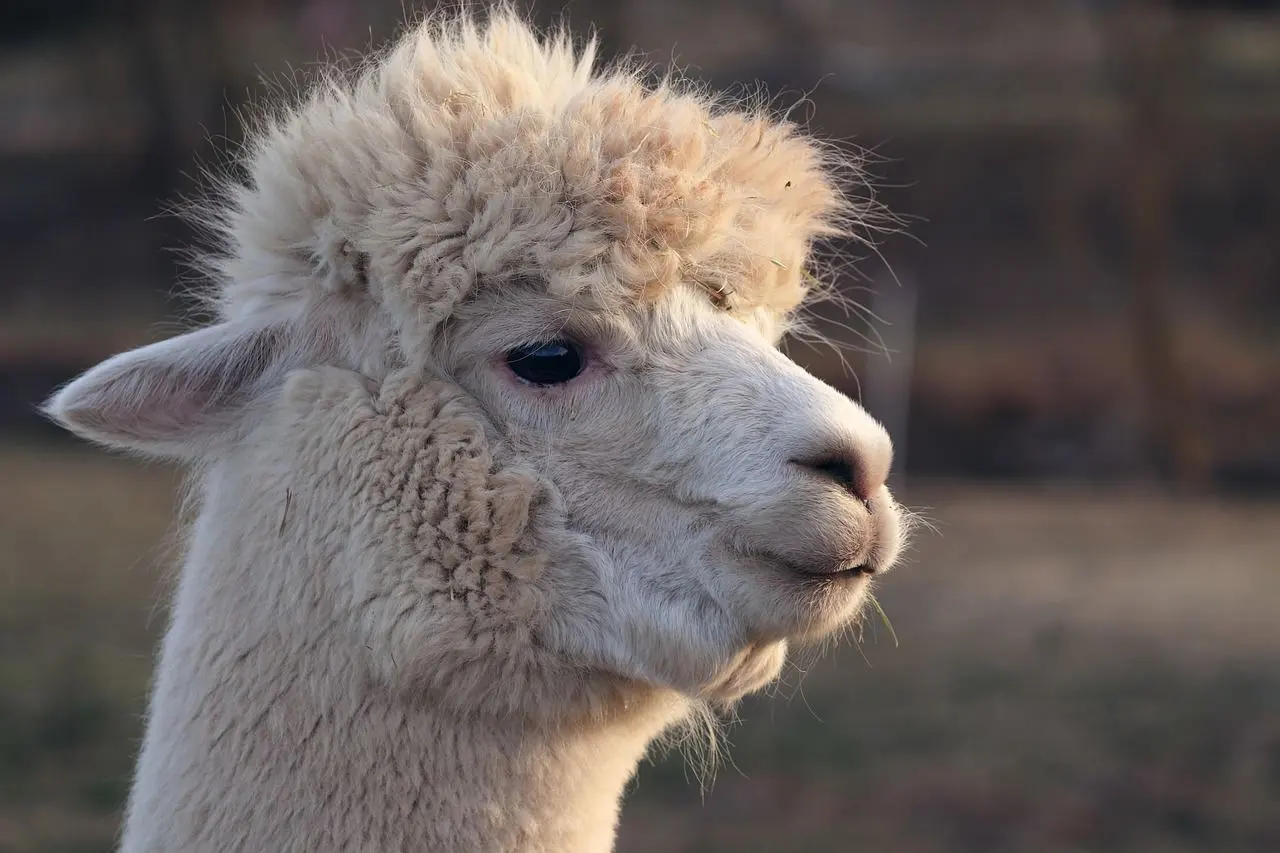
Worried about your herd in the cold? Good alpaca winter care comes down to dry shelter from wind and rain, steady hay, and unfrozen water. Alpacas are hardy, so a few basics matter most.
This page is part of the wider guide to alpaca care, which covers everyday husbandry for these animals.
| Item | Value |
|---|---|
| Pasture per animal | 1,000 to 1,500 square metres (about 1/4 to 1/3 acre) |
| Suggested herd size | About six individuals |
| Fence | Sturdy four-foot fence |
| Winter feed | Hay, preferably grass or meadow hay |
| Drinking water | Fresh and not frozen |
These figures come from the Versele advice page on keeping alpacas in a garden. Recommendations can change, so check the source before you rely on them.
Why alpacas cope with cold but still need your help
Alpacas are hardy animals that originate from the rugged highlands of South America, according to the Versele guidance linked above. They are native Andean animals and can live outdoors year-round.
That does not mean winter can be ignored. Winter care is less about adding warmth and more about removing the things that make cold weather hard on a herd.
Four areas cover most of the work:
- Shelter from rain, wind and sun
- Good hay when grazing runs short
- Drinking water that stays unfrozen
- Ground and fencing that suit the season
Shelter from rain, wind and sun
The Versele guide says alpacas can live outdoors all year, but they do need shelter from rain, strong winds and direct sun. A simple, well-placed shelter that the whole group can reach is the usual answer, and it works in every season, not only winter.
Alpacas are social animals, and the same source says they do best in small herds of about six individuals. A single animal on its own is a poor fit for the species, so plan shelter space for a group.
Feeding hay when the grass is gone
Alpacas are used to sparse grass. In winter, when fresh greenery is scarce or covered by snow, the Versele guide says they need hay.
Quality matters more than quantity. Grass or meadow hay is the preferred choice, because it supplies the fibre that keeps digestion working well.
Be careful with richer forage. The source advises avoiding hay with too much clover or alfalfa, since it can be too high in protein.
A quick hay checklist
- Choose high-quality grass or meadow hay.
- Check the bale for heavy clover or alfalfa content.
- Put hay out before snow cover removes the grazing.
Water and minerals through the cold months
The Versele guide tells owners to make sure alpacas always have access to fresh water that is not frozen. In freezing weather that means looking at the water every time you visit, not just once a day out of habit.
The same page suggests considering a mineral block for extra nutrients. If you are unsure whether your animals need supplements, a veterinarian experienced with camelids can advise on your herd.
Ground, hooves and fencing in winter
Alpacas can handle rough terrain, but wet and soggy ground can soften their hooves and leave them more prone to nail overgrowth. Winter mud around gates, feeders and shelters is where this is most likely to matter, so keep an eye on those spots.
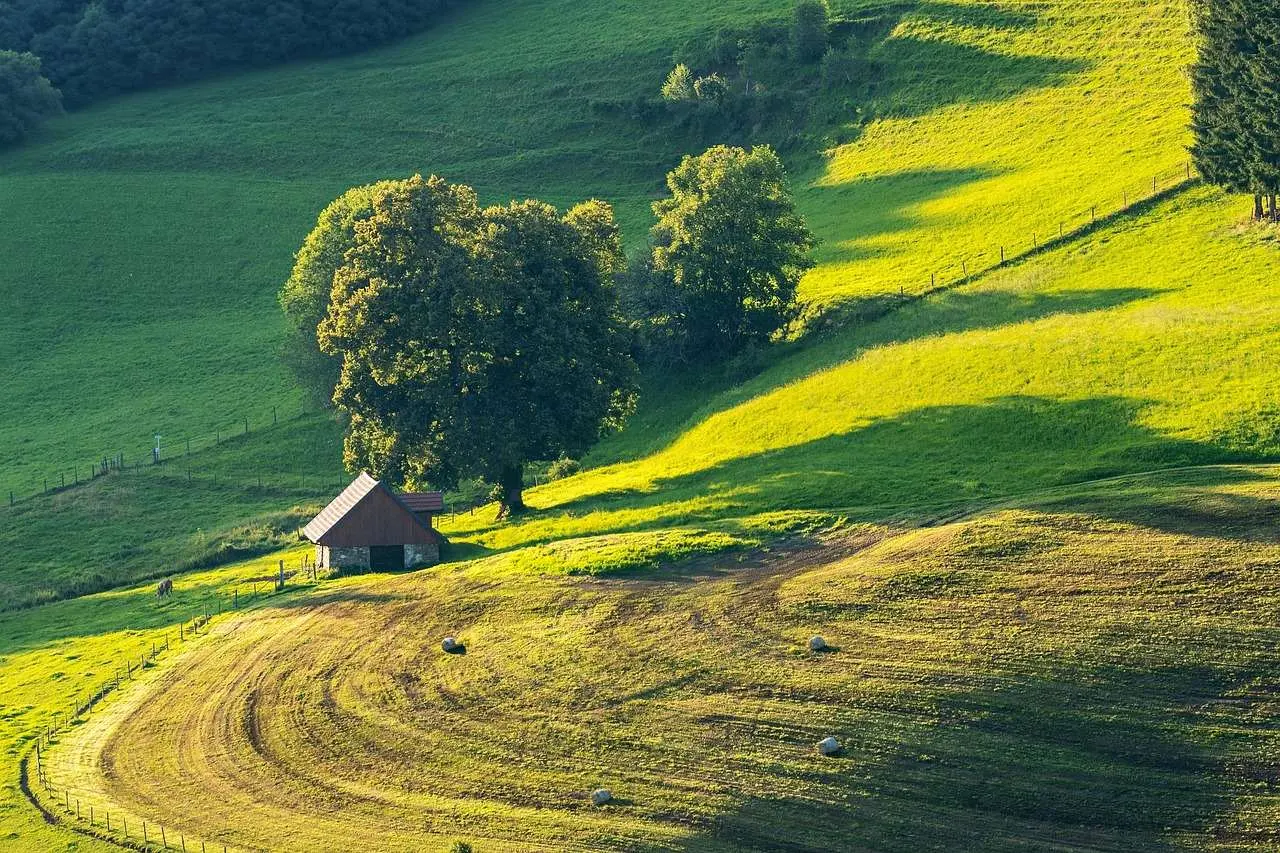
Space helps too. The source recommends around 1,000 to 1,500 square metres of pasture per animal, and says this can vary with the quality of the grass and soil.
For fencing, a sturdy four-foot fence is described as sufficient, because alpacas are generally docile and do not tend to escape.
Routine care that carries on all winter
Cold weather does not pause the basics. The Versele page lists regular deworming, shearing, nail trimming and dental care as the core of grooming and veterinary needs.
Medication, dosing and any sign that an animal is unwell are matters for a veterinarian experienced with camelids, not for guesswork from a general guide. Call a vet promptly if something looks wrong.
Young animals have extra needs of their own, which are covered in the guide to baby alpaca cria care. Good husbandry through each season also feeds into long-term health, as explained in the piece on alpaca lifespan.
Frequently asked questions
Can alpacas stay outside all winter?
Show answer
Generally yes. Being native to the Andes, they are suited to outdoor life, provided they can get out of rain, strong wind and sun.
What should I feed alpacas when snow covers the pasture?
Show answer
Offer good grass or meadow hay, and go easy on hay that is rich in clover or alfalfa. A mineral block is optional, and a vet can help you decide.
Is frozen water a problem?
Show answer
Yes, because the guidance asks for water that is always accessible and unfrozen. Make checking troughs and buckets part of every winter visit.
How do I know whether an alpaca is coping with the cold?
Show answer
A general guide cannot diagnose this. If you notice anything unusual in an animal’s behaviour or condition, contact a veterinarian who has experience with camelids.