Worried you might get alpaca care wrong? Keep clean water, suitable forage, shade, secure fencing, shearing, toenail trims and a camelid vet on your side. Everything below is general husbandry, not veterinary advice.
| Item | Value |
|---|---|
| Adult alpaca weight | Between 130 and 200 pounds |
| Typical lifespan | About 15 to 25 years |
| Interior fence height | At least 4 feet; 5 or 6 feet is preferable |
| Daily feed intake | About 2% of animal weight in dry matter |
| Daily water intake | About 1 gallon per hundred pounds of animal weight |
| Stocking on irrigated pasture | 5 – 10 alpacas per acre |
These figures come from the UC ANR Small Acreage Landowners page on llamas and alpacas. Guidance can change, so check the source before you rely on them.
What does everyday alpaca care involve?
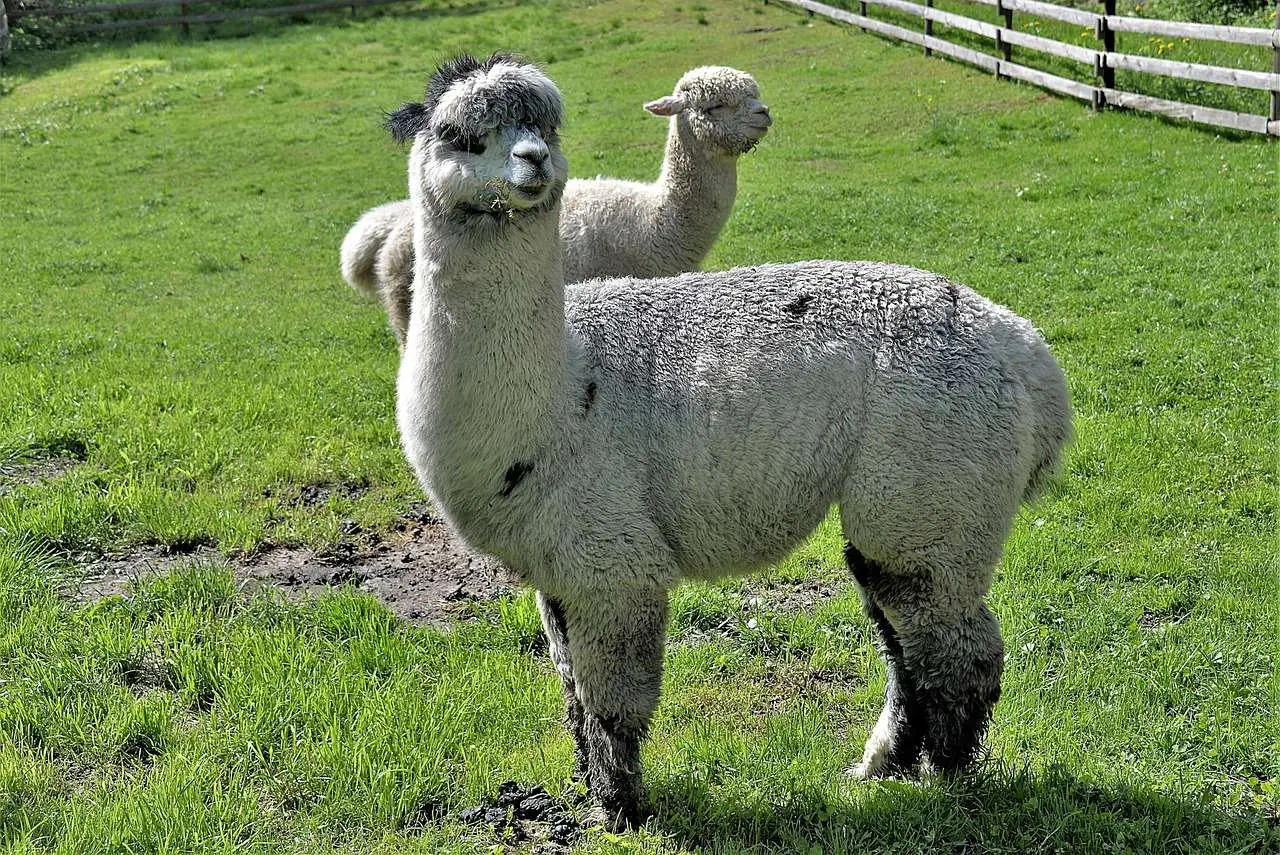
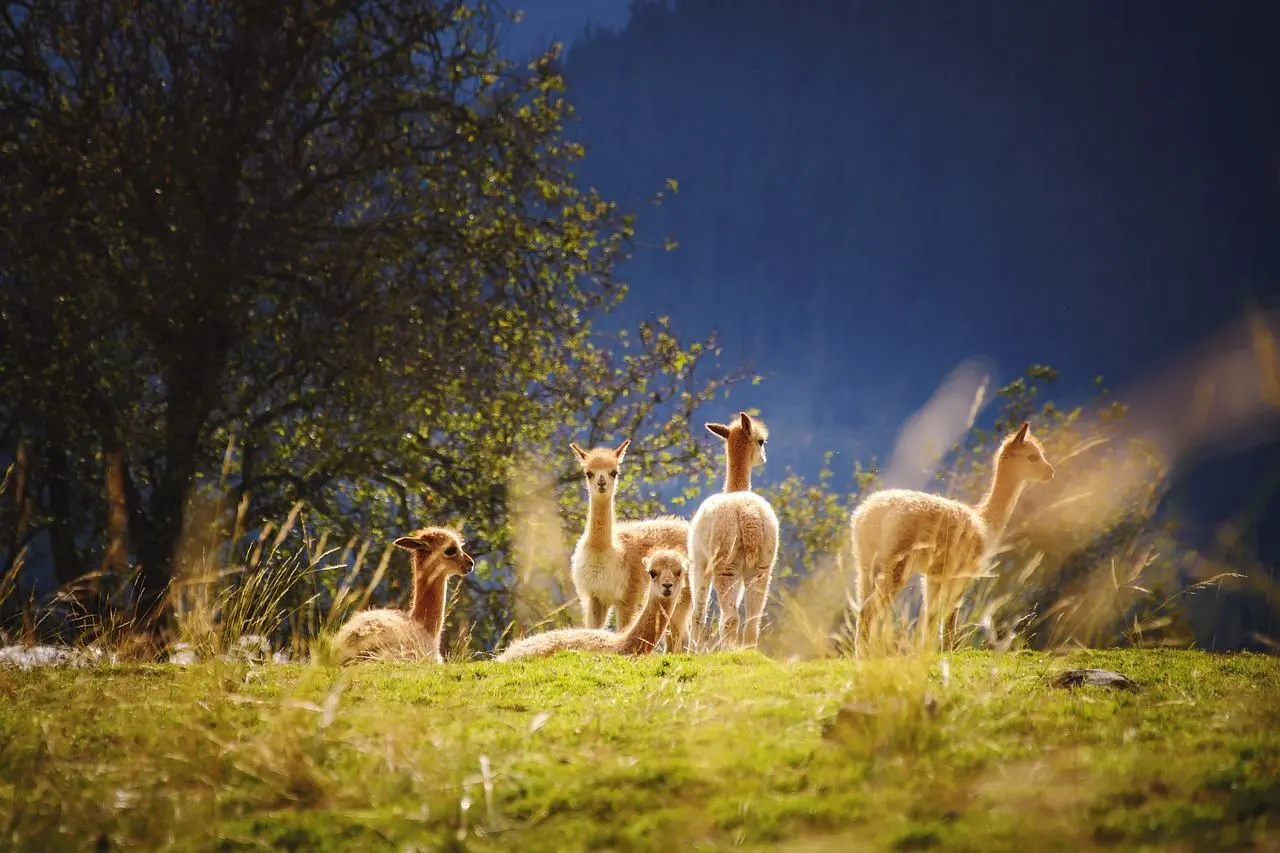
Alpacas are domesticated camelids, and the vicuña is their wild ancestor, according to UC ANR. They are small by livestock standards, about 3 feet tall at the shoulder, and their young are called crias.
The same page sets out the routine tasks a keeper should plan for:
- Annual vaccinations, with the programme chosen alongside your veterinarian
- Routine worming
- Toenail trimming
- Shearing, which the page says must be done yearly
- Free access to clean drinking water
Alpacas are herd animals, and UC ANR says camelids should not be housed alone. The NSW Department of Education adds that alpacas confined to a pen for handling, sorting or a show should be kept at least in pairs.
Careful observation is the habit that ties everything together. UC ANR notes that llamas are very stoic, rarely showing pain until an illness has progressed, and it advises watching movement, posture and behavior closely so you know what normal looks like. The same logic is a sensible one to apply to alpacas, and the guide to common alpaca health problems goes deeper on what to look for.
For any health concern, diagnosis, medication, dosing or emergency, speak to a veterinarian experienced with camelids. The Ohio State University camelid resource section describes itself as a place for information related to veterinary care for camelids, and it lists veterinarians specializing in camelid care by country or region.
Feeding and water
The NSW Department of Education describes alpacas as browsing animals that eat a mixture of pasture and other vegetation. It says they thrive on a high fibre, low protein diet and need roughly the same as the dry sheep equivalent.
UC ANR explains that adult llamas and alpacas are modified ruminants: they regurgitate food and chew cud, but their stomach anatomy differs somewhat from that of conventional ruminants. It also stresses that fresh, clean drinking water should be available at all times.
As a rule of thumb, UC ANR puts feed intake at about 2% of animal weight in dry matter, with daily water intake of about 1 gallon per hundred pounds of animal weight. Treat those as planning figures rather than a feeding plan for your own herd.
A few more points from UC ANR are worth keeping in mind:
- Alfalfa hay is high in protein and is not recommended in large quantities.
- Camelids do not consume salt blocks well, so loose granular salt is better, and it should not be placed near water.
- Copper deficiency and toxicity are both a concern, so ask your veterinarian before adding any mineral supplement.
Forage quality, hay choices and pasture are covered in more detail in the guide on what do alpacas eat.
Shelter, shade and fencing
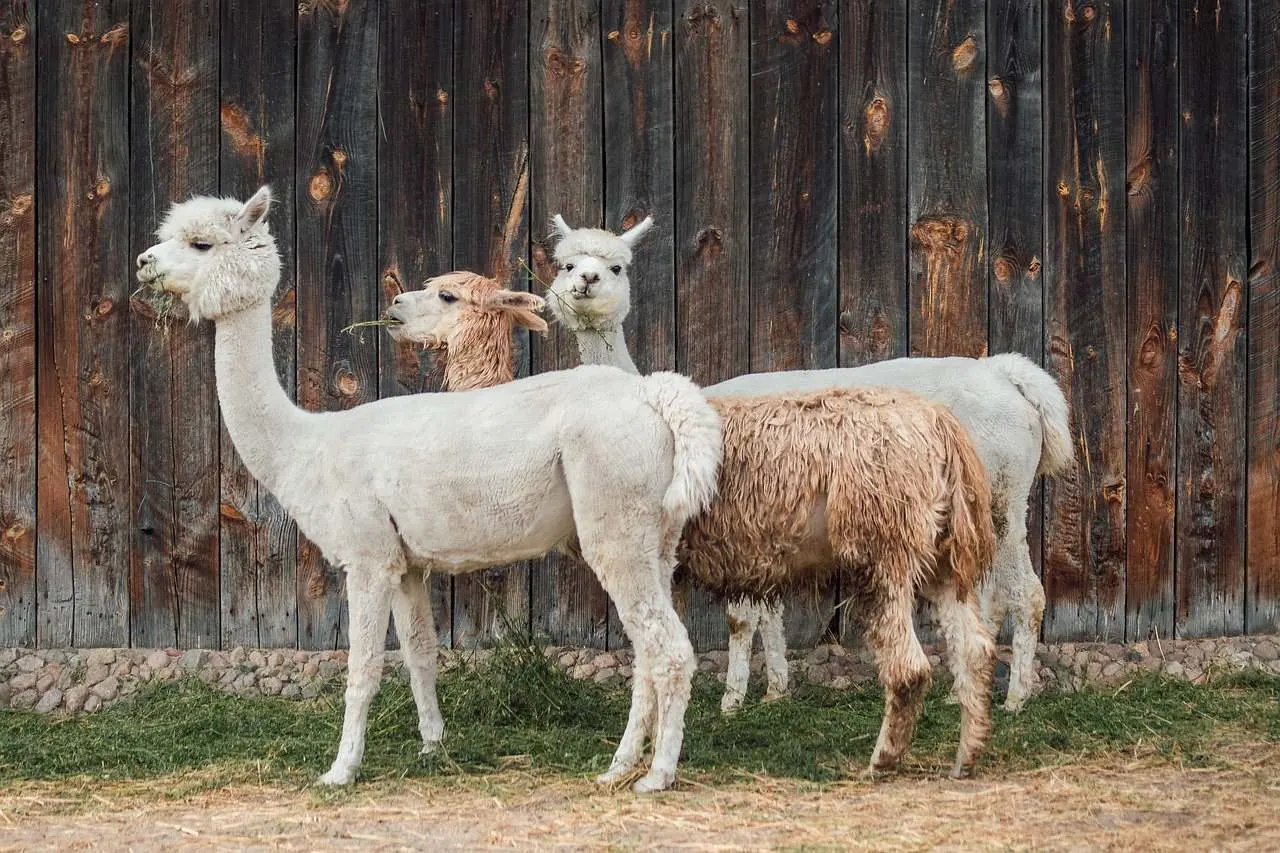
Camelids need natural shelter such as trees, shrubs, rocks or terrain, or a constructed shelter, to escape the elements. UC ANR says a three-sided shed is sufficient in a mild climate such as California, and that shade is needed in spring and summer with wind protection in winter.
Shelters should be well ventilated, and the NSW guidance notes that alpacas prefer shelters where they can look out and protect their herd. Alpacas will usually not seek shelter from rain and cold but lie down in the “kush” position with their legs underneath them. Newborn crias are different: they need to be protected from the cold and wet.
Where bedding is needed in small pens or shelters, the NSW Department of Education suggests rubber matting or similar to prevent wool contamination. If you use straw, check that it is free of seeds. The page on alpaca housing and shelter expands on layouts and materials.
Fencing
The NSW guidance says sheep fencing 1.2 metre high is adequate, but that alpacas can jump 1 metre fencing if stressed or seeking a mate. Fencing should be checked regularly and kept in good condition. See the NSW page for the full wording.
UC ANR recommends interior fences at least 4 feet tall, though 5 or 6 feet is preferable. It lists woven wire, no-climb wire, wooden rail or high tensile fencing as better choices than barbed wire. It also calls a good, permanent perimeter fence crucial in case animals get out of the interior fences, and the full picture is in the guide to alpaca fencing.
Space and stocking
According to UC ANR, between 5 – 10 alpacas can be grazed per acre of irrigated pasture, depending on pasture quality. Unirrigated pasture will not support as many animals.
The NSW guidance takes a similar view, saying alpacas should be kept at stocking rates similar to sheep. For a fuller look at acreage, read how much land do alpacas need.
Alpacas are also light on the ground. They are not hard-hoofed like cattle or sheep, and their soft footpads and hard toenails make them very low impact on the land, as the NSW Department of Education puts it.
Heat, toenails, fleece and teeth
Alpacas originated in the cold mountain regions of South America and are therefore susceptible to heat stress, as the NSW Department of Education explains. It calls access to shade throughout the day essential, and says sprinklers or a water source such as a dam help during hot periods.
UC ANR lists the signs of heat stress:
- Lethargy
- Uncoordinated or stiff movements
- Nasal flaring
- Open-mouth breathing and an increased breathing rate
- Drooling
- Loss of appetite
Its advice is to cool an affected animal by hosing it down and moving it to a cool area, and then to call your veterinarian. The guide to alpaca heat stress covers prevention in more depth.
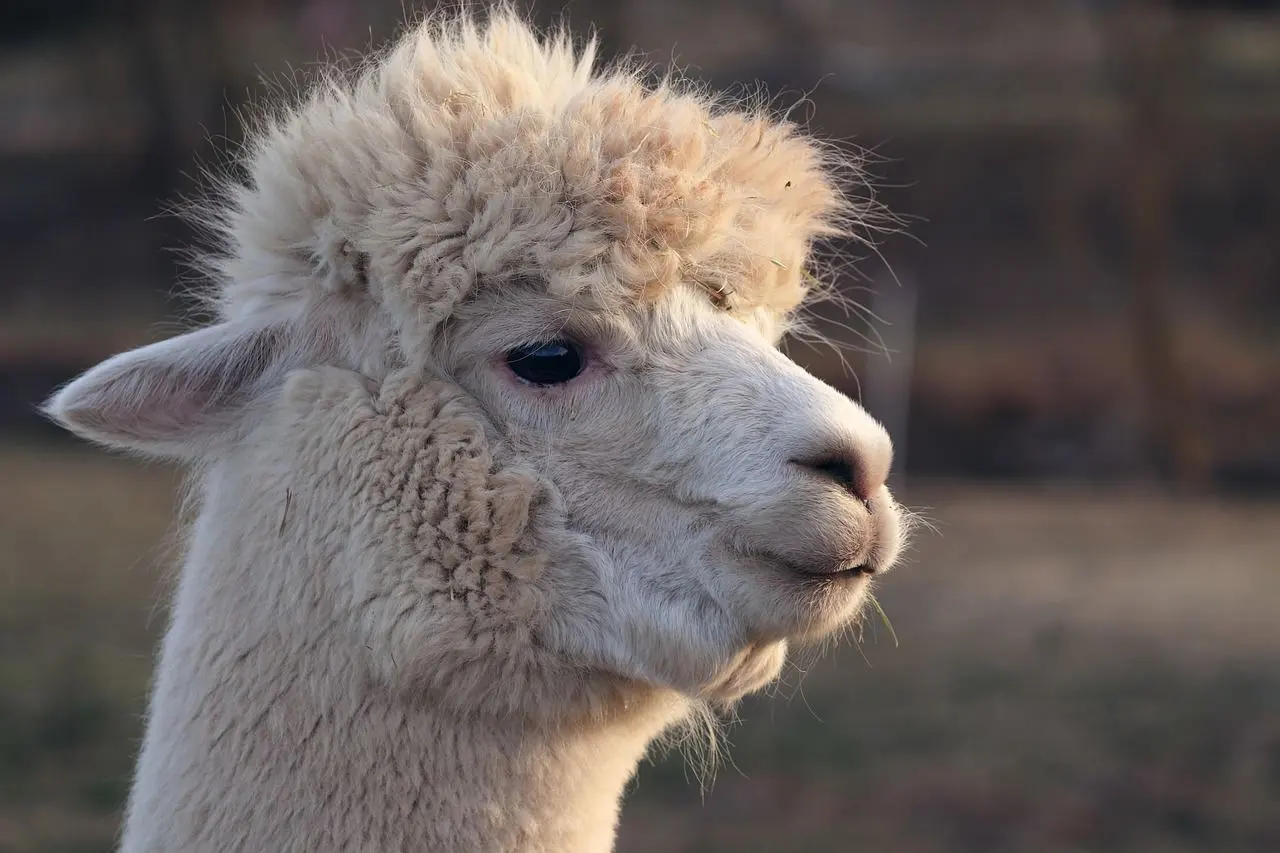
Fleece is the reason many people keep alpacas. UC ANR says alpacas have been bred for fiber and have less stiff guard hair than llamas, and that there are 22 natural basic colors ranging from black to white. The yearly shear is part of care rather than an optional extra, and the guide to alpaca fiber explains what happens to the fleece afterwards.
Toenails need regular attention, and the technique is best learned hands-on from an experienced person. The guide to alpaca toenail trimming describes the general approach.
Teeth can matter too. UC ANR notes that males grow “fighting teeth” at about 2.5 years old. If two males are kept together, these teeth should be removed by a veterinarian for their safety.
Parasites and vaccines are matters for your vet. UC ANR says camelids are vulnerable to many common internal and external parasites that affect sheep and goats, and that you should work with your veterinarian to set up a vaccine program suited to your herd and area.
Breeding, crias and the long view
Breeding adds a layer of planning that goes beyond everyday husbandry. The alpaca gestation period guide covers what to expect, and the guide to baby alpaca cria care deals with the first days of a newborn.
Taking on alpacas is a long commitment. UC ANR says alpacas and llamas both live about 15 to 25 years, and the page on alpaca lifespan looks at what shapes that range.
If you are still deciding which animals suit your plans, the overview of alpaca breeds is a useful starting point. Whatever you choose, the basics stay the same: companionship, water, forage, shade, safe fencing and a vet you can call.
Frequently asked questions
Can a single alpaca be kept on its own?
Show answer
Not according to the sources used here, which treat alpacas as herd animals that do best with company. Where an aggressive or territorial male has to be separated, UC ANR says he should stay within sight of other animals.
How often does an alpaca need shearing?
Show answer
UC ANR states that llamas and alpacas both must be shorn yearly, so the task belongs in your annual calendar alongside vaccinations and worming.
Who should I contact if an alpaca seems unwell?
Show answer
Contact a veterinarian with camelid experience rather than relying on general advice. Because these animals can hide discomfort, describe any change in movement, posture or behavior when you call. The Ohio State University resource page has a directory of camelid veterinarians sorted by country or region.
Is barbed wire acceptable for alpaca fences?
Show answer
Neither UC ANR nor the NSW Department of Education recommends it. Woven wire, no-climb wire, wooden rail or high tensile fencing are the alternatives UC ANR names.