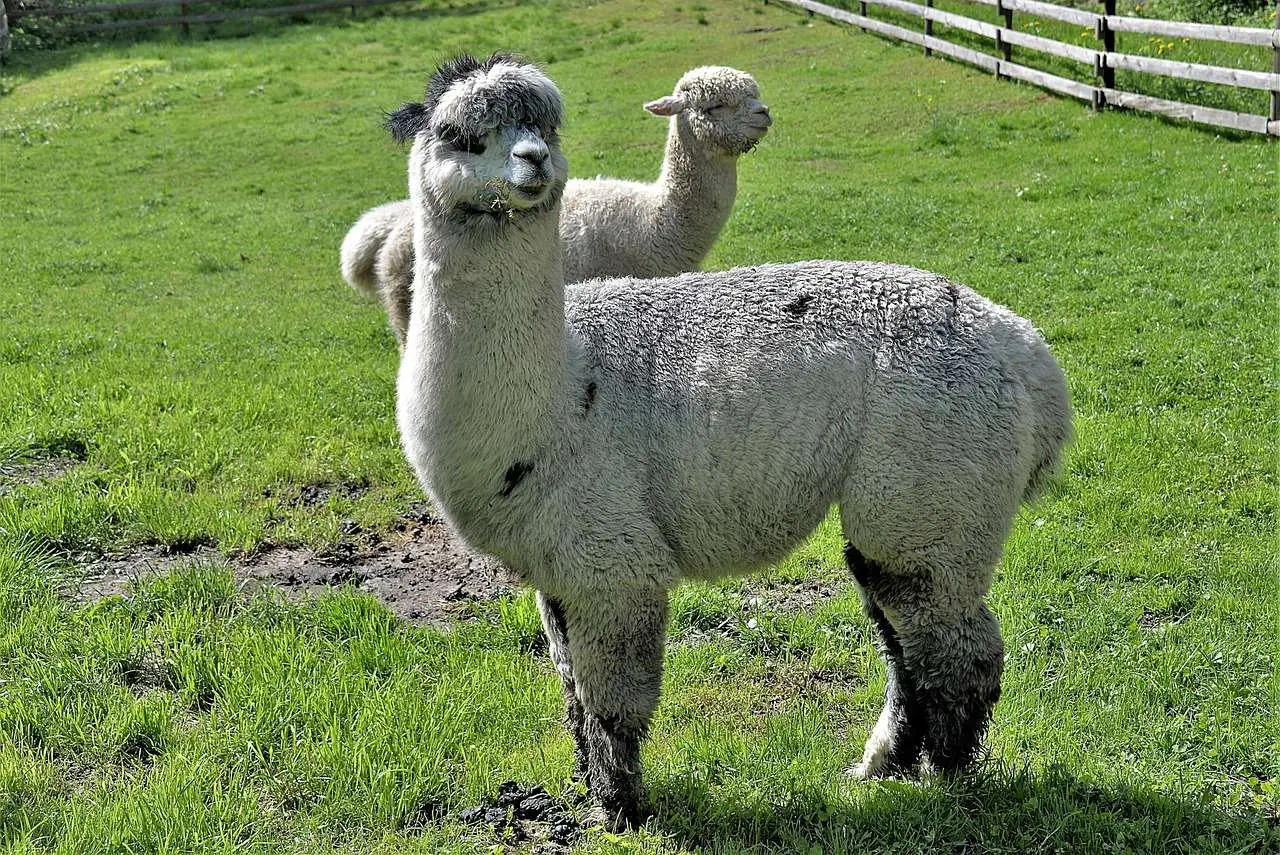
Wondering how long your alpacas will stay with you? Alpaca lifespan is about 15-25 years, and this guide shows what shapes where an animal lands in that range.
This page is one part of the wider guide to alpaca care, which covers day-to-day husbandry.
| Item | Value |
|---|---|
| Alpaca life span (Rutgers) | About 15-25 years |
| Alpaca average life expectancy (Teagasc) | Approximately 25 years |
| Llama average lifespan | 15 to 30 years |
| Usual age a female alpaca is first bred | 14-16 months |
| Single crias produced in a lifetime | 10-12 single crias |
These figures come from the Rutgers Cooperative Extension fact sheet and the Teagasc alpaca factsheet. They are general ranges and can change, so check the sources before you rely on them.
How long do alpacas live?
The sources give a range rather than a single answer. The Rutgers fact sheet puts the alpaca life span at about 15-25 years, while Teagasc, the Irish agriculture and food development authority, gives an average life expectancy of approximately 25 years.
National Geographic lists an average life span in captivity of 20 years, which sits inside that range.
Treat these as planning guides rather than promises. Each one is an average or an approximate span, so an individual animal may be shorter-lived or longer-lived than the number suggests.
Why the published figures differ
The three sources do not explain the gap between their numbers, so it is safest not to guess at a cause. A few points help you read them sensibly:
- Each figure is worded as an average or as “about”, not as a limit.
- The publishers differ: a US university extension service, an Irish agricultural body and a general wildlife reference.
- The National Geographic number refers to animals in captivity, which is how domesticated alpacas are kept.
If you need one working number, the overlap of the three sources is the middle of the range. Beyond that, your own herd records and the advice of a veterinarian experienced with camelids are more useful than any published average.
Alpaca and llama lifespans compared
Alpacas and llamas are often grouped together, but the Rutgers fact sheet lists them separately. It gives llamas an average lifespan of 15 to 30 years, with a body weight of 280 and 450 pounds.
Alpacas are the lighter animal, weighing about 100 to 175 pounds according to the same source. In other words, the llama’s quoted range is wider and reaches higher at the top end than the alpaca’s.
Life stages and the breeding years
An alpaca’s life is not only about how many years it lasts. The sources describe several milestones that shape how a herd is managed:
- Maturity: a female alpaca is usually bred at 14-16 months and a male reaches full maturity in two to three years, according to Rutgers.
- Cautious breeding age: Rutgers recommends waiting until females are at least 12 months old and have reached 60% of adult body weight. National Geographic says females are not usually bred until they are two years old and half their adult body weight, because smaller females tend to have difficult births.
- Pregnancy: Teagasc gives a gestation period of 343 days, plus or minus two weeks.
- Productive years: the same Teagasc sheet says a female can produce 10-12 single crias in a lifetime, with an average 80% fertility rate, and that twins rarely survive.
The newest members of the herd need their own routines, which are covered in the guide to baby alpaca cria care.
Everyday care routines for an alpaca herd
None of the sources claims that a particular routine adds a set number of years. They do describe the standard husbandry that goes with keeping alpacas, and it is worth knowing:
- Company: alpacas are herd animals requiring the company of multiple other alpacas, and National Geographic adds that they only thrive if they live with at least one other alpaca.
- Space: an acre of good land can support about six alpacas, according to Teagasc, which also recommends a three-sided field shelter.
- Food and water: a supply of fresh, clean water and grass or hay is essential, and pelleted vitamin and mineral supplements are advised.
- Health checks: annual vaccinations and parasite control are required, to be discussed with a vet, and toenails need trimming from time to time.
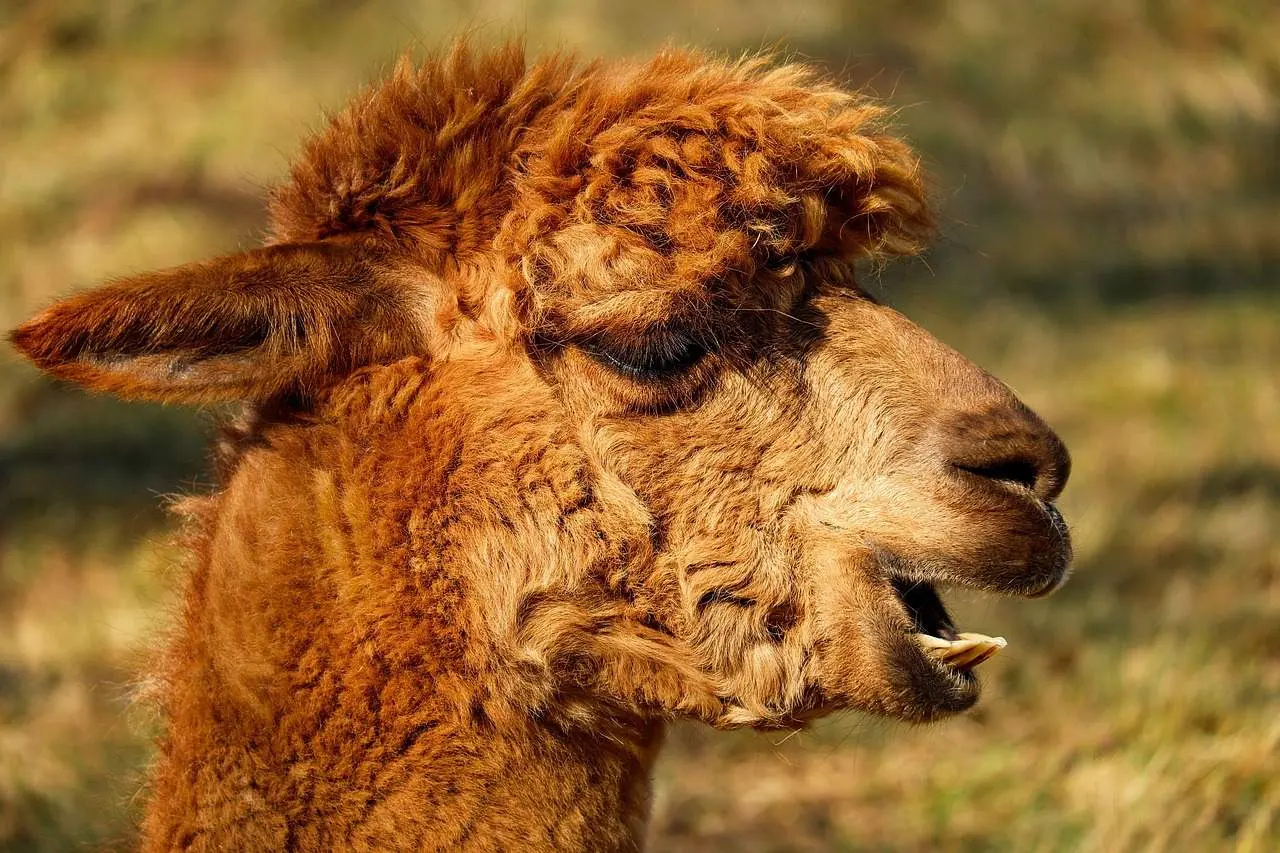
- Teeth: Teagasc says teeth should be checked annually, and Rutgers notes that alpacas have no enamel on the tongue side of their incisors, so these teeth keep growing as they wear down from grazing.
A closer look at feeding is in the guide on what do alpacas eat.
Climate also matters. Rutgers advises against breeding during the hot summer months in North America because of heat stress and pathogens. In the Andes, National Geographic reports that drying pastures and unpredictable temperature changes have made alpacas vulnerable to illness.
This page is general information, not veterinary advice. For any health concern, diagnosis, medication, dosing or emergency, and for questions about an older animal, consult a veterinarian experienced with camelids.
Frequently asked questions
Do llamas outlive alpacas?
Show answer
The Rutgers fact sheet lists a longer span for llamas than for alpacas, and its llama range reaches higher at the upper end. Both are averages, so individual animals vary.
Can an alpaca live happily on its own?
Show answer
No. The sources describe alpacas as sociable herd animals that need other alpacas around them, so a single animal is not recommended.
Is an alpaca a pet or livestock?
Show answer
Teagasc says alpacas are livestock and should be treated as such, not as pets. National Geographic notes they are sometimes kept as companion animals, though they still need herd mates.
Who should I ask about an ageing alpaca’s health?
Show answer
Speak to a veterinarian experienced with camelids. The Teagasc factsheet itself says vaccination and parasite control should be discussed with a vet, and your vet can advise on anything specific to an older animal.