Worried your alpacas need a fancy barn? For alpaca housing and shelter, the basics are shade, a dry windbreak with at least three sides, and safe fencing. Here is what extension sources say.
This page sits within the wider topic of alpaca care, which covers day-to-day husbandry.
| Item | Value |
|---|---|
| Shelter space guideline | About four times the animal’s size |
| Solid shelter for cold and wind | At least three sides |
| Sheep fencing height that suits alpacas | 1.2 metre |
| Fence height alpacas can jump if stressed | 1 metre |
| Post depth in high-wind areas | 2 to 3 feet deep |
| Shade roof pitch | 1 foot of drop for every 25 feet of roofline |
These figures come from the University of Arizona Extension shelter guide and the NSW Department of Education alpaca environment page. Figures can change, so check the source before you rely on them.
What do alpacas actually need from a shelter?
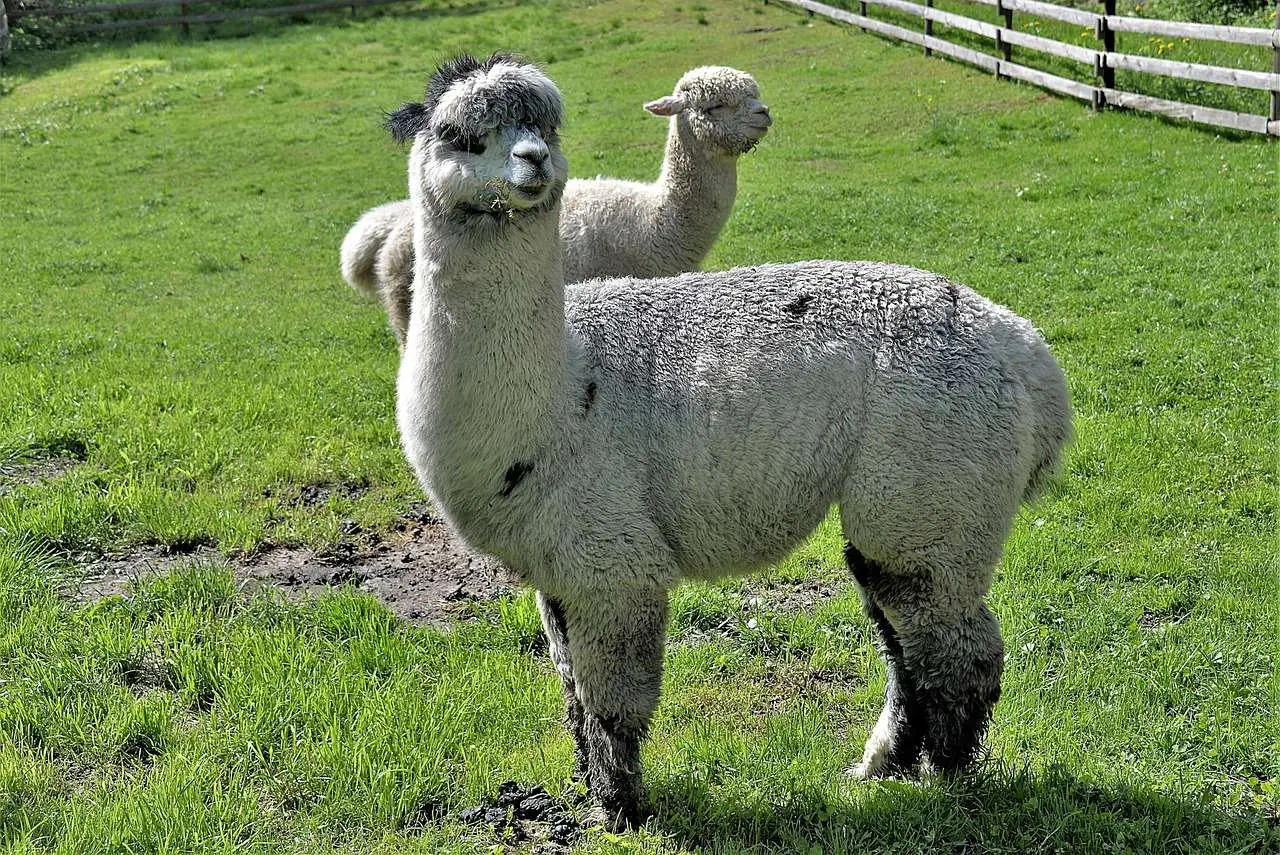
Alpacas are browsing animals that need room to move around, according to the NSW Department of Education. A good shelter is therefore a place to cool off and get out of bad weather, not a box to shut animals into. The same page says alpacas prefer shelters where they can look out and protect their herd.
The University of Arizona Extension says a shelter should let an animal stand up, lie down, turn around and stretch out. It relays a state agriculture department rule of thumb of roughly four times the animal’s size. That guide covers sheep, goats, swine, alpacas and llamas, so treat it as general livestock guidance rather than alpaca-only rules.
In practice, a sound setup covers a handful of things:
- Shade for the whole day.
- A windbreak or roofed area where animals can choose to shelter.
- Enough floor area to move and lie down comfortably.
- Dry, clean footing and good airflow.
- Fencing that keeps animals in and predators out.
Before you build anything, check local zoning. The Arizona publication, dated April 2025, advises checking community, city or county rules on permits and shelter construction, as the University of Arizona Extension notes.
Heat, shade and cooling
Alpacas originated in the cold mountain regions of South America and are therefore susceptible to heat stress, says the NSW Department of Education. It calls access to shade throughout the day essential. Sprinklers or a water source such as a dam can help animals stay cool in hot periods.
Shelter can be purpose-built, or it can be trees and bushes. If you rely on trees, they need to be tall or large enough to give real shade for every animal.
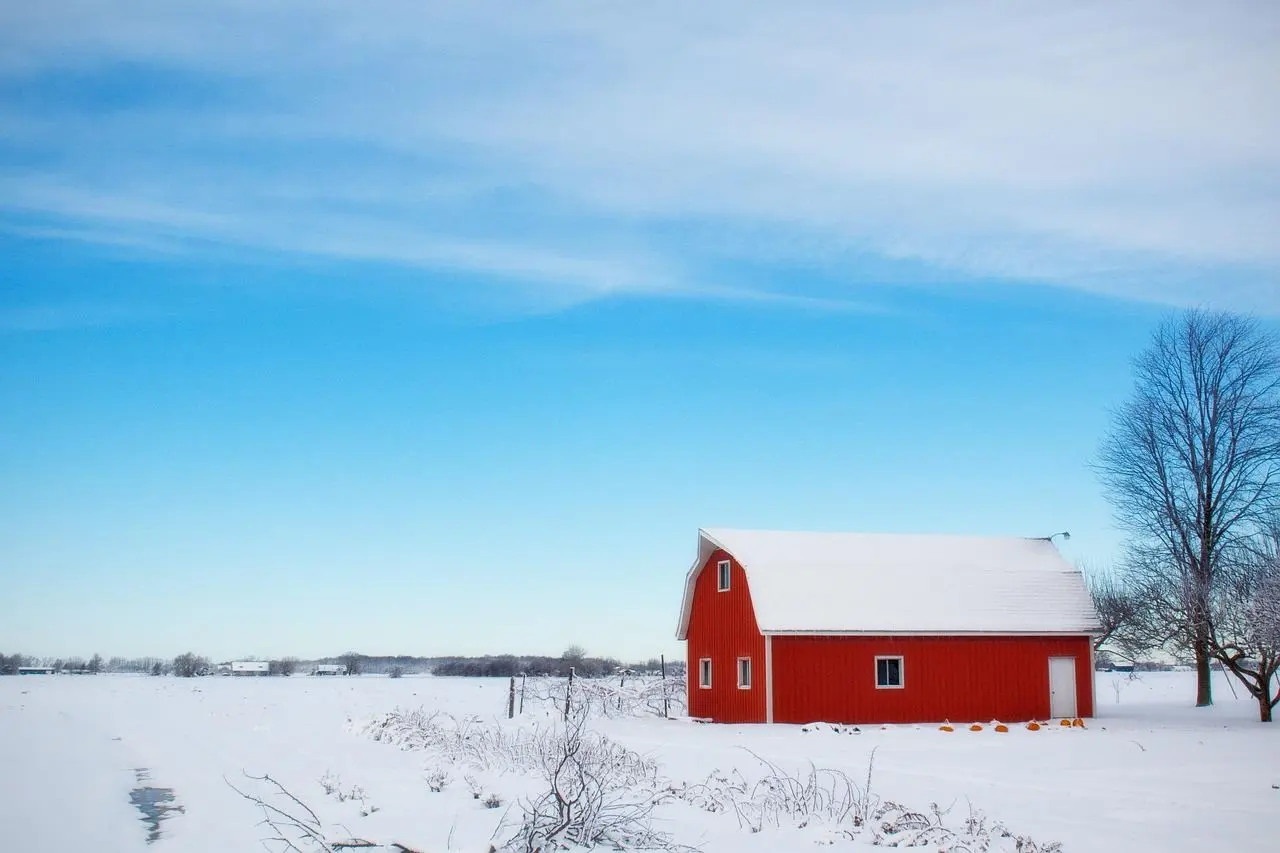
Arizona guidance suggests orienting open or sided shade structures north to south, which gives the most shade across the day. Where power or solar is available, fans placed out of the animals’ reach may help with cooling. Keep bedding and dust away from electrical parts to avoid fire danger, per the University of Arizona Extension.
If an alpaca seems unwell in hot weather, call a veterinarian experienced with camelids. This page describes general husbandry only and is not veterinary advice.
Cold, wet weather and newborn cria
Alpacas will usually not seek shelter from rain and cold. They tend to lie down with their legs tucked underneath them in the “kush” position, as the NSW Department of Education describes. That is why the shelter should be a choice, not a requirement.
The Arizona guide recommends solid structures with at least three sides so animals can step out of wind chill when they want to. Build with the prevailing winds in mind, and avoid spots prone to flooding or heavy mud, per the University of Arizona Extension.
Newborn cria are the exception: the NSW page says they need protection from the cold and wet. Ask your veterinarian how to prepare for birthing season in your climate.
If you use a four-sided shelter, the Arizona guide lists these points:
- Give animals access to fresh air.
- Keep bedding clean and dry.
- Avoid heaters, to reduce fire hazards.
- Keep ventilation going in winter to prevent ammonia and moisture buildup, while limiting drafts that could chill animals.
Building a sturdy structure
A shelter should withstand weather and animal-inflicted damage. The University of Arizona Extension says steel costs more but is sturdier, while lumber is generally cheaper but can break down over time from sun damage.
In high-wind areas, the same guide recommends lumber or steel posts sunk 2 to 3 feet deep, with solid lumber or steel for the structure. It advises against pallets, plastic and other light materials where winds are common, because longevity is lower. Plastic in particular is prone to UV damage, according to the University of Arizona Extension.
For roofs and airflow, the Arizona guidance gives these pointers:
- Pitch the roof slightly, with 1 foot of drop for every 25 feet of roofline, so water runs away from the opening.
- In mostly enclosed buildings, use roof turbines, soffit or gable vents, or high windows to let heat out.
- Add floor-level vents so cooler air can replace warm air.
- Watch temperature more closely as the enclosure gets smaller.
Source: University of Arizona Extension.
Bedding, ground and fencing
Alpacas have soft footpads and hard toenails, which makes them very low impact on the land, says the NSW Department of Education. It adds that they should be kept at stocking rates similar to sheep. Feed also affects layout, so read about what do alpacas eat before you plan feeders and hay storage.
Where bedding is needed in small pens or shelters, the NSW page suggests rubber matting or similar to prevent wool contamination.
The same source says sheep fencing 1.2 metre high is adequate for alpacas, but they can jump 1 metre fencing if stressed or seeking a mate. For that reason, alpacas penned for handling, sorting or a show should be kept at least in pairs. Barbed wire should not be used, and fences should be checked regularly, per the NSW Department of Education.
A separate guide to alpaca fencing goes into more detail on boundaries and gates.
Frequently asked questions
Do alpacas need a closed barn?
Show answer
Not necessarily. The sources describe shade plus a solid shelter with at least three sides, and they say shelter can also come from trees and bushes. This reflects the University of Arizona Extension publication of April 2025.
Will alpacas come in out of the rain?
Show answer
Often they will not. The NSW guidance says they usually stay out and settle into a tucked-leg resting posture, so a roofed area simply gives them the option. Newborns are the exception and need protection from cold and wet, per the NSW Department of Education.
Do I need a permit to build a shelter?
Show answer
Rules vary by place. Contact your local community, city or county office about permits and guidelines before construction begins, as advised by the University of Arizona Extension.
Is it safe to heat an alpaca shelter?
Show answer
The Arizona guidance advises against heaters in four-sided shelters because of fire risk. It points to dry bedding, fresh air and a windbreak instead, according to the University of Arizona Extension.
Who should I ask if I am worried about my animals’ comfort or health?
Show answer
Speak to a veterinarian experienced with camelids. Animals at different life stages or with illnesses can have unique shelter needs, and only a vet can diagnose or advise on treatment.