

Worried about your alpaca’s teeth? Good alpaca teeth dental care means checking the incisors, cheek teeth and, in males, fighting teeth about yearly, and calling a camelid vet when eating or weight slips.
This guide is part of our wider look at alpaca care.
| Item | Key fact |
|---|---|
| Incisors | Lower jaw only, biting against an upper dental pad |
| Molars | Both upper and lower |
| Fighting teeth (males) | Emerge between approximately two and four years of age |
| Routine dental examination | Annual for most alpacas |
| Higher-risk group | Alpacas over seven years of age |
The table draws on the NSW Department of Education husbandry page and the Vet Verified dental guide. Figures can change, so check the source before you rely on them.
How alpaca teeth are arranged
Alpacas have incisors only in the lower jaw, and they bite their food against a pad in the upper jaw, as the NSW Department of Education explains. They do have both upper and lower molars.
In their natural environment, alpacas use the incisors to rasp moss and lichens off rocky surfaces, which keeps the fast-growing front teeth in check, according to Totally Vets. Vet Verified adds that incisors keep growing and wearing throughout an alpaca’s life.
The cheek teeth at the back of the mouth grind food to a consistency suitable for swallowing, as an alpaca dental practice describes. Vet Verified notes that most significant dental problems occur within these teeth, which are hard to see without proper equipment.
Males also grow fighting teeth on both sides of the mouth behind the incisors. The same dental practice says they develop when the alpaca is around three, while Vet Verified gives approximately two to four years of age.
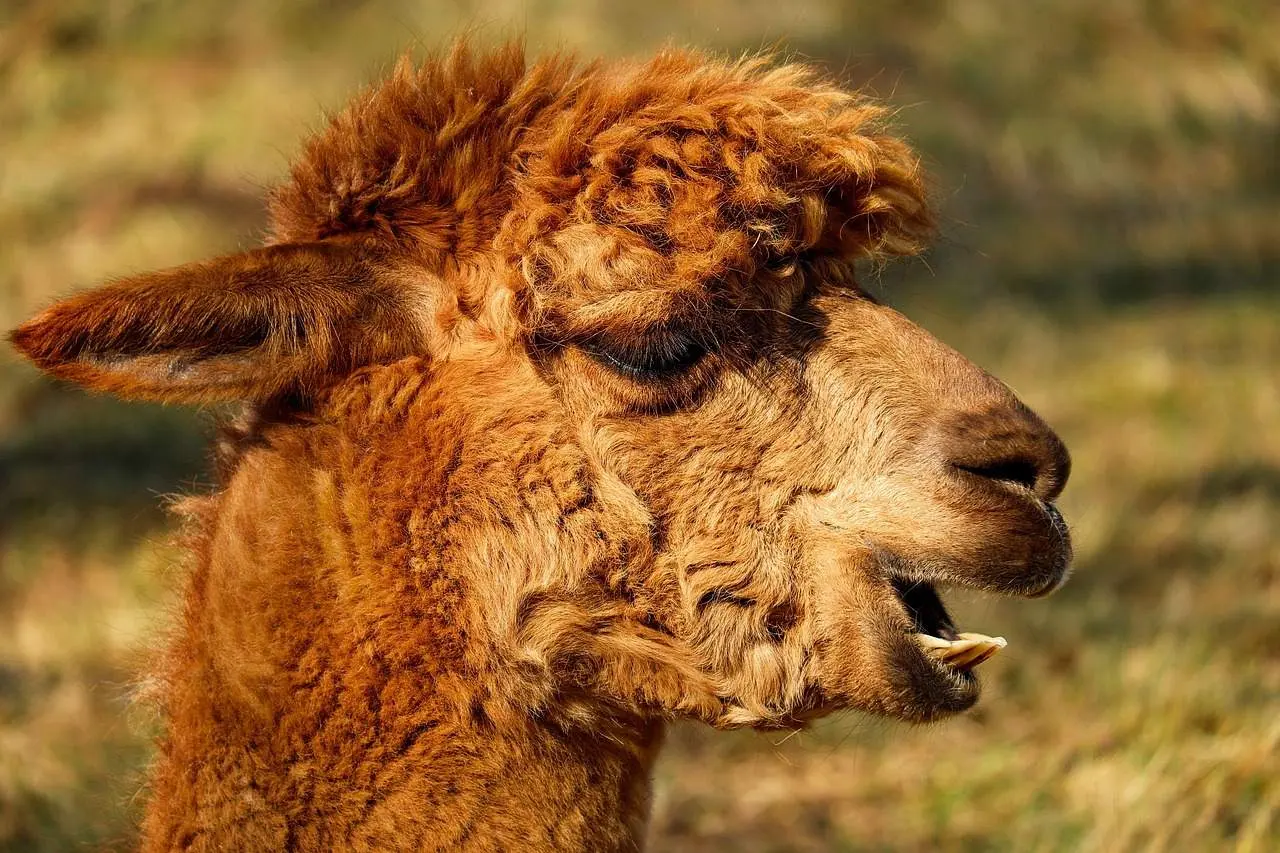
Common alpaca dental problems
Problems can start in any part of the mouth, and they can affect alpacas of either sex at any age, according to the Alpaca Dental Services site. The usual suspects are:
- Overgrown incisors: they become too long, protrude beyond the dental pad and can be seen sticking out between the lips.
- Fighting teeth: they are very sharp and can dig into the opposing jaw, cutting the gum and lips.
- Sharp molar points: they cut the soft tissue of the cheeks and tongue.
- Abscesses: Vet Verified describes dental abscesses as among the most significant dental problems affecting alpacas.
Painful teeth make an alpaca eat less, which can mean a loss of body condition, lower milk production in females and poorer general health. Details are on the Alpaca Dental Services page.
Many of these issues can only be found and fixed with specialised equipment that holds the mouth open so the vet can see inside. That is why a quick look at the front teeth is not a full check.
Warning signs to watch for
Teeth rarely announce trouble loudly. The same practice lists these symptoms, any of which may point to a dental cause:
- Loss of body condition, especially when other animals in the same environment are doing well.
- Reluctance to eat, or obvious pain on chewing.
- Not chewing cud.
- Feed spilling from the mouth while chewing.
- Undigested food in the droppings.
- Swelling around the jaw, or a jaw abscess.
VetSouth, a New Zealand practice, adds excessive salivation and noticeably long bottom incisors to the list. It also notes that some animals show very few obvious signs, so regular checks are valuable, particularly in older alpacas.
Jaw swelling can be misleading, because it often comes and goes as the animal makes protective pads from hay or grass to ease chewing, per the Alpaca Dental Services page. In females, serious tooth problems are often more noticeable in late gestation or lactation, when nutritional needs are highest.
Regular body condition scoring or weighing can often identify the affected animals. Vet Verified warns that alpacas can keep eating despite significant dental issues, so an owner may not notice until the problem is advanced.
How often should alpaca teeth be checked?
Vet Verified says most alpacas benefit from an annual dental examination, with more frequent checks for older animals and extra assessments if health concerns arise. Many owners combine the examination with shearing or an annual health check, as the Vet Verified guide points out.
The same guide singles out groups that need extra attention:
- Alpacas over seven years of age
- Animals with previous dental issues
- Alpacas that are losing weight
- Breeding males
- Animals with facial swelling
Age matters here, which ties into the longer view in our guide to alpaca lifespan. Young animals have their own routine needs, covered in our piece on baby alpaca cria care.
Trimming, diet and working with your vet
Trimming is not routine for every animal. The NSW Department of Education says teeth must only be trimmed when necessary, and that a veterinarian should be consulted first.
Diet changes how often it is needed. Animals on a very high fibre diet with access to branches and tougher grass species need less frequent trimming than those fed mainly concentrates and chaff. Totally Vets similarly warns that a softer diet may not wear the teeth enough.
Fighting teeth are the clearest case for trimming. The dental practice says they should be trimmed to protect paddock companions and handlers.
This article is general husbandry information, not veterinary advice. For any diagnosis, procedure, medication or emergency, contact a veterinarian experienced with camelids. As VetSouth puts it, early intervention is always best to maintain good nutrition and production.
Frequently asked questions
Do alpacas have top front teeth?
Show answer
No. The upper jaw carries a hard pad rather than incisors, and the lower incisors work against it when the animal crops grass.
Can I trim my alpaca’s teeth myself?
Show answer
Official guidance says trimming should be done only by an experienced person after consulting a vet. It also warns that misinformation about trimming often leads to cruelty, so leave the job to a professional.
My alpaca is losing weight but still eating. Could teeth be the cause?
Show answer
They could be, because dental pain does not always stop an alpaca eating. Weight loss has many possible causes, so book a veterinary exam rather than guessing.
Will I always see a dental problem coming?
Show answer
Not always. Cheek-tooth abnormalities can be invisible without a thorough oral exam and knowledge of normal dentition, which is why routine checks matter.